
After a hair transplant, the recovery process is just as important as the procedure itself. One of the most common recovery questions patients ask at Malay Mehta Aesthetic Clinic is how to sleep after surgery.
During the first week, the transplanted grafts are still settling into place, making it important to avoid friction or unnecessary pressure while sleeping.
This guide explains the safest sleeping positions after a hair transplant, which positions to avoid, how long you should sleep elevated and practical tips to help you stay comfortable during recovery.
Why Sleeping Position Matters After a Hair Transplant
During the first week after a hair transplant, your scalp is actively healing, and the newly implanted grafts begin settling into their new positions. During this stage, how you sleep can influence both healing and graft stability.
As you remain in the same position for hours while asleep, it is easy to unintentionally press on the scalp or rub the treated area against your pillow without realising, which may irritate the grafts during this delicate early period.
Protecting Newly Implanted Grafts
In the first few days after a hair transplant, the grafts are still fragile and have not yet fully anchored within the scalp. During this early healing stage, friction or direct pressure can disturb the grafts before they have properly settled into place. The first 72 hours are generally considered the most delicate period, as the grafts begin anchoring within the surrounding tissue.
Resting the recipient area against a pillow, even gently, may rub or irritate the newly transplanted follicles. Sleeping on your back with your head elevated helps minimise contact with the treated area and provides the stable environment the grafts need during this initial healing phase.
Reducing Swelling After Surgery
Some swelling across the forehead and around the eyes is common after a hair transplant. This happens because the fluid used during the procedure gradually moves downward under gravity. Keeping your head elevated helps reduce fluid build-up and encourages drainage away from the face.
Swelling usually appears around day two or three, peaks shortly afterwards and settles within the first week. Patients who keep their heads elevated during sleep and rest often experience less puffiness than those who lie flat too early.
Supporting Faster Healing
Proper sleep positioning does more than protect the grafts. Keeping your head elevated can support scalp circulation, reduce the risk of accidental rubbing during sleep and improve overall comfort during recovery. Better sleep also gives your body the rest it needs to heal effectively.
First 7-day recovery priorities
- Keep the grafts free from pressure and friction
- Maintain head elevation during sleep and rest
- Manage swelling with clinic-advised aftercare steps
- Prioritise good sleep and recovery
- Follow your surgeon’s instructions carefully
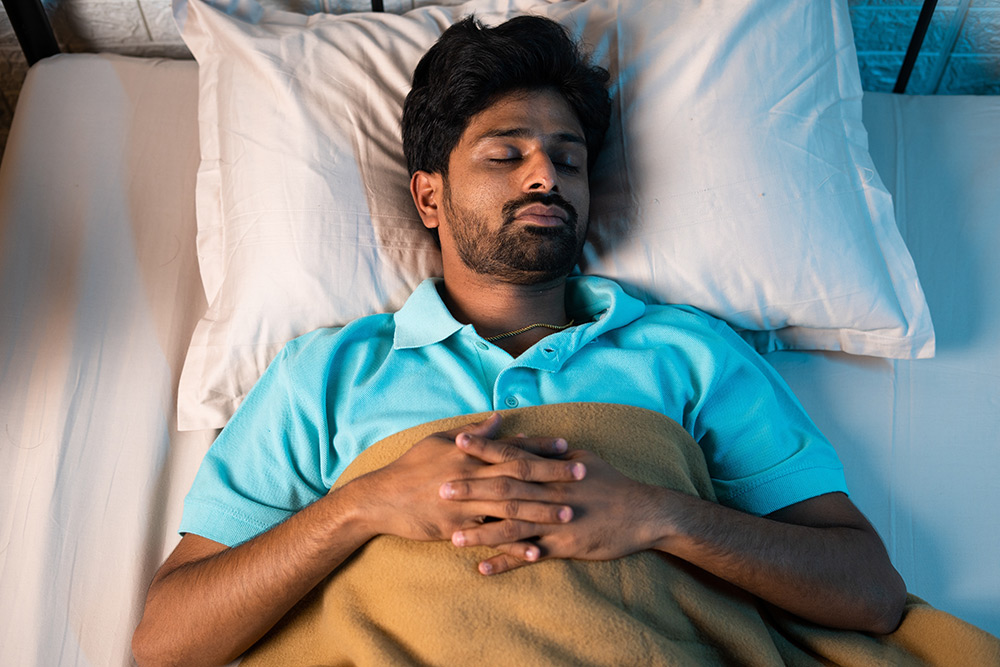
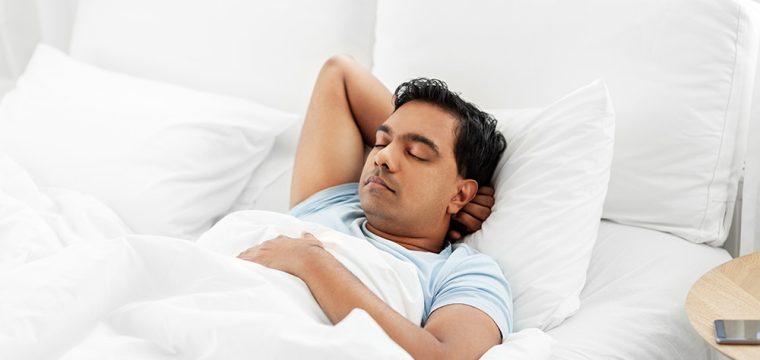
The best sleeping position after hair transplant surgery is on your back, with your head elevated.
Best Sleeping Position After Hair Transplant Surgery
Sleep on Your Back With Your Head Elevated
Sleeping on your back with your head elevated is generally considered the best position during early recovery. Aim for a 30 to 45 degree incline, which can be created using firm pillows or a recliner. This helps reduce swelling and prevents pressure on the newly transplanted grafts.
A travel neck pillow can also help keep your head from rolling to the side while you sleep, making it easier to stay in position.
Using Pillows Correctly
To create the right sleeping position after a hair transplant:
- Start by placing one or two firm pillows underneath your upper back and shoulders. This creates the incline from your upper body rather than just lifting your head.
- Let your neck and head rest naturally on the top pillow. Your head should still be supported comfortably, not hanging off the pillow or bent sharply forward.
- Aim for a gentle angle of around 30 to 45 degrees. You should feel slightly elevated, similar to a reclined sitting position.
Is Sleeping in a Recliner Better?
Many patients find sleeping in a recliner easier during the first week because it naturally keeps the head elevated and limits turning during sleep. However, a bed with properly arranged pillows can work just as well.
| Recliner | Bed with elevated pillows |
|---|---|
| Easier to maintain elevation | More accessible and familiar |
| Helps reduce turning during sleep | No extra equipment required |
| Good for swelling control | Comfortable for many sleepers |
If you already own a recliner, it can be a convenient option during recovery. If not, there is no need to buy one, as a supportive pillow setup is usually sufficient.
Sleeping Positions to Avoid After Hair Transplant Surgery
Sleeping on Your Side
Sleeping on your side increases the chance of the transplanted area or donor site pressing directly against the pillow for long periods during the night. Unlike sleeping on your back with your head elevated, where the scalp has minimal contact with the pillow, side sleeping places more direct pressure and friction on the healing areas.
During the first few days after surgery, this may irritate the scalp or disturb the newly implanted grafts before they have fully secured in place.
Sleeping on Your Stomach
Sleeping on your stomach is usually the least suitable position after a hair transplant because the treated area is pressed directly against the pillow. This increases the risk of friction, irritation and unnecessary pressure on the newly implanted grafts during the early healing stage.
Frequent Turning During Sleep
If you tend to move around while sleeping, staying in one position may feel difficult at first. A travel neck pillow, body pillow or recliner can help keep your head stable and reduce the chance of rolling onto the treated area during the night.
Day-by-Day Sleeping Timeline After a Hair Transplant
First 1 to 3 Days
This is the most important stage of recovery, as the grafts are still settling into place. Sleep on your back with your head elevated and avoid lying flat, including during daytime naps.
Days 4 to 7
By this stage, swelling often begins to improve, and the grafts become more secure. However, you should still sleep on your back with your head elevated to avoid unnecessary pressure on your scalp.
After 7 to 10 Days
Many patients gradually begin returning to their usual sleeping position around this time. Lower your head elevation slowly over several nights and monitor for tenderness, irritation or swelling.
When Can You Sleep Normally Again?
Most people can return to their normal sleeping position after around 10 to 14 days, once the grafts are secure and scabbing has largely resolved. However, recovery timelines vary, so it is important to follow Dr Malay Mehta’s specific aftercare instructions.
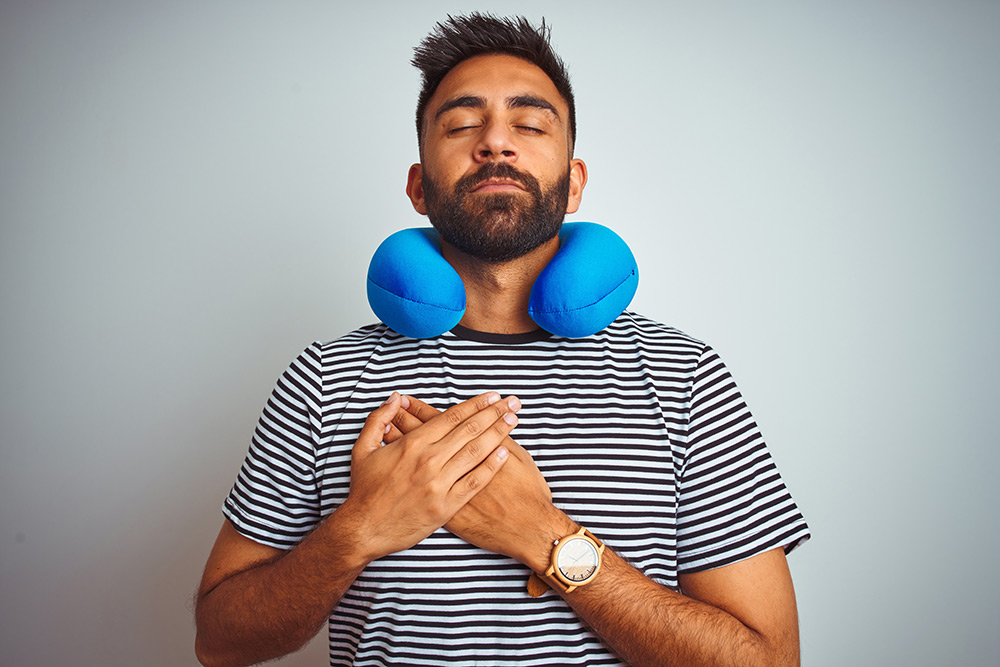
Tips for sleeping comfortably include using a travel neck pillow, keeping your bedding clean and avoiding alcohol before sleep.
Tips for Sleeping Comfortably After a Hair Transplant
The first few nights after a hair transplant can feel awkward, especially if you are not used to sleeping on your back. A few simple adjustments can make recovery more comfortable while also helping protect the grafts.
Use a Travel Neck Pillow
A U-shaped travel pillow can help keep your head stable and reduce the chance of rolling onto your side during sleep. Many patients find it makes sleeping on their back much easier during the first week of recovery.
Keep Your Bedding Clean
Clean pillowcases and bedding help reduce irritation around the healing scalp. During the first week, it can help to change them more regularly than usual or place a clean towel over your pillow setup each night.
Avoid Alcohol Before Sleep
Alcohol can increase swelling, affect sleep quality and interfere with the healing process. It may also make you more restless at night, increasing the risk of moving into uncomfortable positions while asleep.
Take Medication as Directed
If you have been prescribed pain relief or anti-inflammatory medication, taking it as instructed can help you stay comfortable and sleep more consistently through the night.
Wear Loose Clothing
Loose-fitting clothing, especially button-up tops, can help you avoid brushing against the grafts when changing before bed.
Hair Transplant Recovery Support at Dr Malay Mehta’s Clinic
Recovery continues well beyond the procedure itself, which is why proper aftercare guidance is an important part of the process. At Dr Malay Mehta’s clinic in Mumbai, recovery advice is tailored to each patient and the specific treatment performed, rather than following a one-size-fits-all approach.
The first two weeks after a hair transplant are particularly important, as this is when the grafts begin settling into place, and the scalp starts to heal. Clear guidance on sleeping position, swelling management and activity levels can help patients recover more comfortably and confidently.
The clinic offers a range of hair transplant procedures, including FUE hair transplant, ARTAS robotic hair transplant and Biofibre hair implants. As each treatment has different recovery considerations, aftercare recommendations are adjusted to suit the procedure and the patient’s needs.
How to contact us
Phone: +91 7045291747
Another Phone: +91 8758691345
Email Us: drmalaymehta@gmail.com
6th Floor, Cosmos Court,
Vile Parle West Mumbai – 400056
Maharashtra, India
FAQs
What is the best position to sleep in after a hair transplant?
The best sleeping position after a hair transplant is on your back, with your head elevated at roughly a 30 to 45-degree angle. This helps keep pressure off the grafts, reduces friction against the pillow and can minimise swelling during the early recovery period. Many patients find that using a travel neck pillow or firm pillows makes it easier to stay comfortable and maintain the position overnight.
How long until you can sleep normally after a hair transplant?
Most people can gradually return to their usual sleeping position after around 10 to 14 days, once the grafts have become more secure and any scabbing has improved. It is usually recommended to reduce your head elevation gradually rather than returning to a flat position immediately. Your surgeon may adjust this timeline depending on your procedure and recovery progress.
How long should I sleep upright after a hair transplant?
Patients are commonly advised to sleep with their head elevated for at least the first week after surgery. The first few nights are generally the most important, as this is when the grafts are at their most delicate and swelling is most likely to develop. After about 7 to 10 days, many people can begin easing back into their normal sleeping position.
Why should I sleep with my head elevated after a hair transplant?
Keeping your head elevated helps reduce swelling by preventing fluid from collecting around the forehead and eyes overnight. It also limits contact between the grafts and the pillow, helping to protect the treated area while the scalp heals.
Can my sleeping position affect hair transplant results?
Yes. In the first few days after surgery, the grafts have not yet fully anchored within the scalp, so pressure or friction from certain sleeping positions may disturb them. Sleeping on your back with your head elevated helps protect the grafts during this early healing phase and supports a smoother recovery.

About The Author
Dr Malay Mehta
Dr Malay Mehta is passionate about offering men the confidence the've always wanted by performing hair transplants with outstanding hair density and natural looking results. He is known as the best hair transplant surgeon in Mumbai delivering amazing results at the most affordable prices in the area.
Most Popular Posts

15 January 2023

5 January 2024

15 February 2023
What is the Cost and Success of PRP Hair Treatment in India?
21 December 2023





 Online Marketing For Doctors

Comments