
It’s natural to focus on the recipient area after a hair transplant, as that’s where new growth becomes visible over time. However, the donor area deserves equal attention. As the source of every follicle used in your procedure, how well it heals plays an important role in preserving donor hair for any future procedures you may need.
At Dr. Malay Mehta’s Hair Transplant Clinic in Mumbai, we specialise in advanced FUE techniques, including Sapphire FUE, with patient education being a key part of our approach at every stage of the journey. In this guide, we’ll walk you through the donor area healing timeline, what to expect at each stage and how to care for the area properly in the weeks following your procedure.
What is the Donor Area in a Hair Transplant?
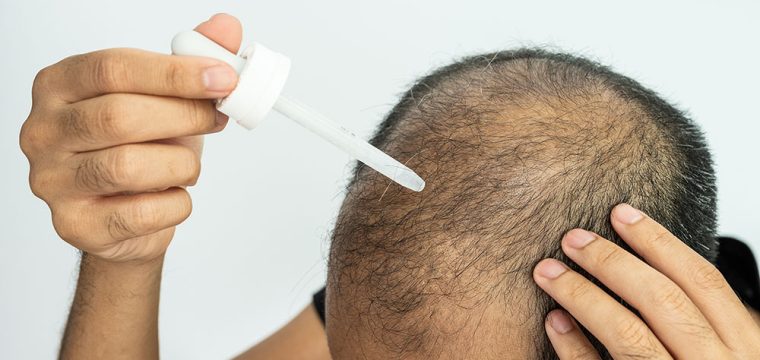
The donor area is the region of the scalp from which healthy hair follicles are harvested for transplantation. In the vast majority of cases, this is the back and sides of the scalp, where hair follicles are genetically resistant to dihydrotestosterone (DHT), the hormone responsible for pattern hair loss.
Why the Donor Area Matters
The donor area forms the foundation of a successful hair transplant. Hair follicles from this region are genetically permanent and resistant to thinning, even after transplantation. As a result, the density, quality and overall size of the donor area play a key role in determining both the number of grafts available and the final outcome.
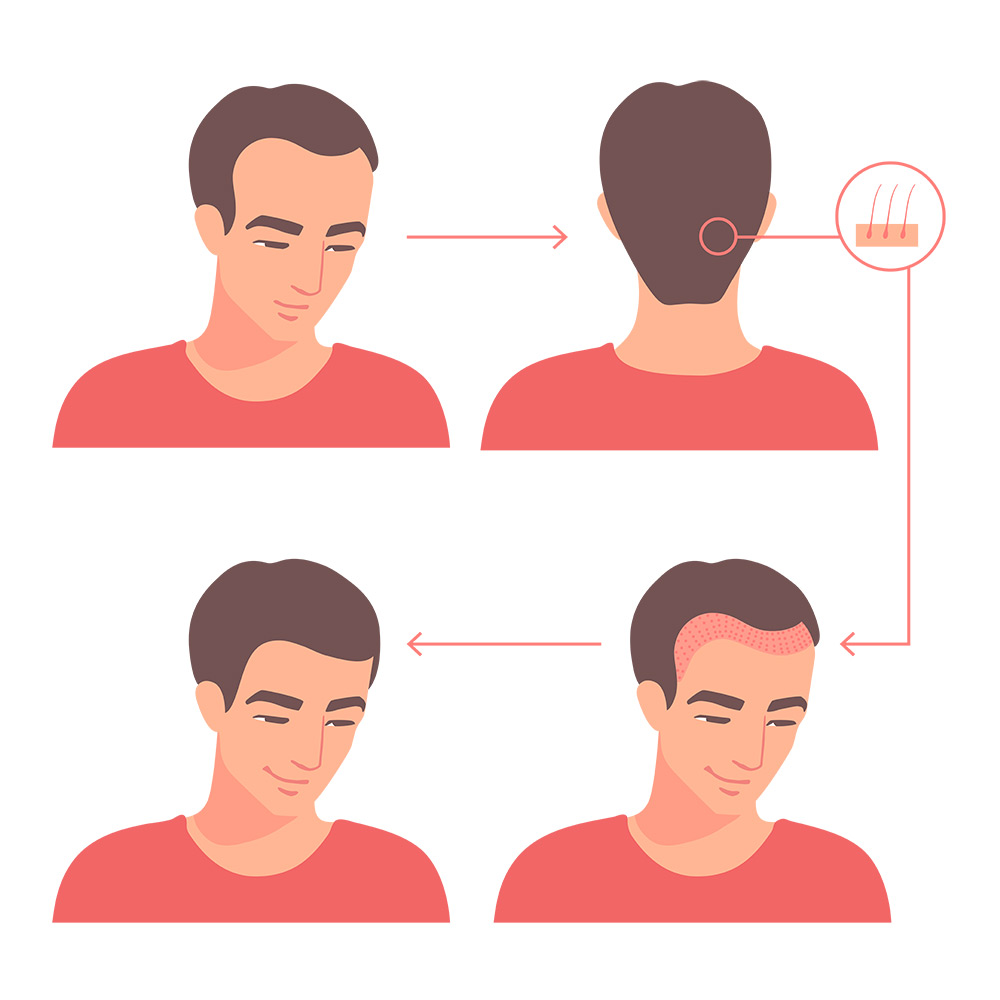
It typically takes about 2-3 months for patients to fully recover at the donor site.
Donor Area Healing After Hair Transplant: Timeline
Recovery at the donor site follows a similar timeline for most patients. While healing can vary depending on skin type, graft count and aftercare, the general stages are outlined below.
Days 1-3: Immediate Recovery
In the first 72 hours, the donor area typically appears red and slightly swollen. Small wounds mark each extraction site, with fine scabs forming as part of the skin’s natural healing process. Mild discomfort, tightness, or sensitivity is common at this stage and is usually well managed with the pain relief medication prescribed by your surgeon.
Days 4-7
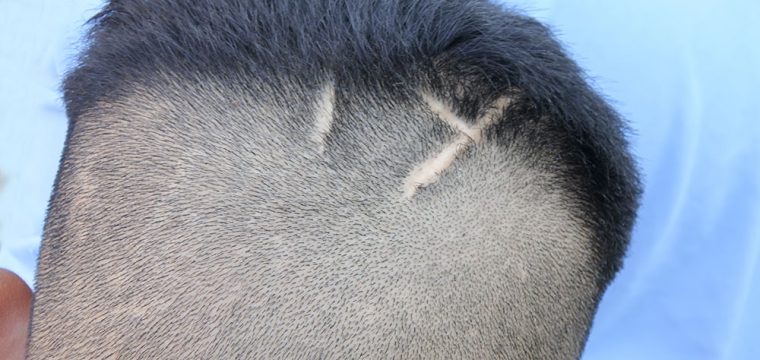
During this phase, scabs begin to loosen and fall away naturally. Tenderness typically reduces, while itching around the extraction sites is common as the skin continues to heal beneath the surface. It’s important not to scratch or pick at the area, as this can disrupt healing and increase the risk of scarring.
Days 7-14
By the end of the second week, most of the visible healing is complete. The skin returns to a more normal appearance and texture, and some temporary shedding of short hairs in the donor zone is common at this stage. This is a completely normal part of the post-operative process and isn’t a cause for concern.
Weeks 3-4
Any residual pinkness in the donor area typically fades during this period. Skin texture continues to normalise and, for most patients, the donor site will look and feel consistent with the surrounding scalp by the end of this phase.
Months 2-3
Most patients can expect to make a full recovery during this period. Any hairs that shed during the initial healing phase will have begun to regrow by this point, blending naturally with the surrounding hair to restore a full, even appearance across the donor zone.
Is Donor Area Recovery Painful?
For most patients, discomfort at the donor site is mild rather than severe. The area may feel tight or tender in the first few days, particularly when washing or touching the scalp, and itching is a common sensation as the skin heals.
Significant pain is uncommon and, when it does occur, is typically well controlled with over-the-counter or prescribed pain relief. If discomfort escalates rather than improves after the first few days, or if you notice signs of infection such as increased redness, swelling or discharge, contact your clinic immediately.
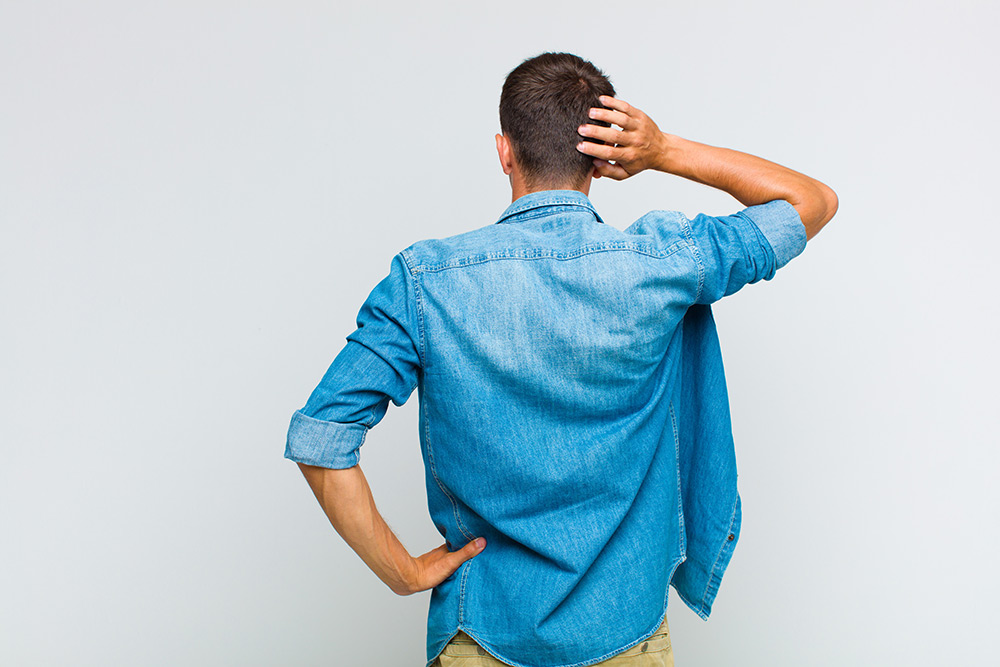
Ways to care for the donor area after a hair transplant include keeping the area clean and not scratching or picking the donor site.
How to Care for the Donor Area After a Hair Transplant
Proper aftercare in the weeks following surgery is one of the most important factors in how well the donor area heals. Your surgeon will provide specific instructions tailored to your procedure, but the following general principles apply to most patients.
Keep the Area Clean
Follow your clinic’s aftercare instructions carefully. Gentle cleansing with a prescribed or recommended shampoo helps prevent infection and supports natural scab shedding without disturbing the healing tissue.
Avoid Scratching or Picking
As tempting as it is to address the itching, interfering with scabs or scratching the donor site can damage healing follicles, introduce bacteria and increase the likelihood of visible scarring. If itching is persistent, speak to your surgeon about suitable relief options.
Sleep Position
For the first week, try to sleep on your back with your head slightly elevated. This reduces pressure on the donor area and helps keep swelling to a minimum during the early stages of recovery.
Protect the Scalp from Sun Exposure
Direct sun exposure can irritate healing skin and lead to pigmentation changes in the donor area. For at least 4 weeks after your procedure, keep the area covered or out of direct sunlight and introduce sunscreen only after your surgeon confirms it is appropriate.
Considering a Hair Transplant? Here’s How Dr. Malay Mehta Can Help
At Dr. Malay Mehta’s Hair Transplant Clinic in Mumbai, a thorough assessment of your donor area is the starting point for every treatment plan. Understanding your donor density, hair characteristics and scalp health helps us recommend the right approach and achieve results that are both natural and long-lasting.
Our suite of treatment options includes:
FUE Hair Transplant
A precise, minimally invasive technique that carefully extracts and relocates healthy follicles from the donor zone into areas of thinning or loss, producing natural-looking density without a linear scar.
Biofibre Hair Implants
For patients with insufficient donor hair, Biofibre implants use biocompatible synthetic fibres to deliver an immediate improvement in volume and coverage, offering a viable option where a conventional transplant may not be suitable.
ARTAS Robotic Hair Transplant
An advanced, AI-guided system that identifies, selects and extracts the most viable follicles from the donor area with robotic precision.
Mesotherapy
A targeted, non-surgical treatment that introduces vitamins and growth factors directly into the scalp, supporting follicle health in both the donor and recipient areas and creating a stronger foundation for hair growth.
Other Hair Loss Treatments
Dr. Mehta’s clinic also offers advanced solutions such as Growth Factor Concentrate Therapy, Low-Level Laser Therapy (LLLT) and scalp micropigmentation (SMP). Each of these treatments can be used independently or as part of a broader plan to support donor area health, improve overall density and achieve long-term scalp wellness.
How to contact us
Phone: +91 7045291747
Another Phone: +91 8758691345
Email Us: drmalaymehta@gmail.com
6th Floor, Cosmos Court,
Vile Parle West Mumbai – 400056
Maharashtra, India
FAQs
How long does it take for a donor area to fully heal after a hair transplant?
The donor area typically heals in stages after a hair transplant. Initial surface healing, including scab formation and redness, usually resolves within 7 to 14 days. Over the following weeks, the skin continues to settle, and the surrounding hair begins to regrow. In most cases, full recovery takes around 1 to 3 months, by which point the donor area blends naturally with the rest of the scalp.
Does hair taken from the donor area grow back?
No, hair taken from the donor area does not grow back. During a hair transplant, follicles are permanently extracted from this region and moved to areas of thinning or hair loss. However, the donor area usually continues to look full because the remaining hair surrounds and covers the extraction sites. When performed correctly, the thinning is minimal and not noticeable, especially once healing is complete and the surrounding hair regrows.
How long does it take for the donor area to thicken?
The donor area doesn’t “thicken” in the sense of regrowing removed hair, but it typically appears fuller again within a few weeks to a few months. In the first 2–4 weeks, the skin heals, and any temporary thinning from the procedure becomes less noticeable. Over the next 1–3 months, surrounding hair grows out and blends over the extraction sites.
How many grafts can the donor area give?
The number of grafts that can be taken from the donor area varies from person to person, but most patients have a lifetime donor supply of around 4,000 to 8,000 grafts. In a single session, surgeons typically extract 2,000 to 4,000 grafts, depending on donor density, scalp condition and the technique used. The total available grafts are influenced by factors such as hair thickness, density and how well the donor area is preserved during each procedure.
Which donor area is best for a hair transplant?
The back and sides of the scalp, known as the permanent zone, are considered the optimal donor area for hair transplantation. Hair in this region is genetically resistant to DHT, meaning it retains its growth characteristics even after being transplanted. In some cases where scalp donor hair is limited, follicles from the beard or body may be considered as supplementary donor sources.

About The Author
Dr Malay Mehta
Dr Malay Mehta is passionate about offering men the confidence the've always wanted by performing hair transplants with outstanding hair density and natural looking results. He is known as the best hair transplant surgeon in Mumbai delivering amazing results at the most affordable prices in the area.
Most Popular Posts

15 January 2023
5 January 2024

15 February 2023
What is the Cost and Success of PRP Hair Treatment in India?
21 December 2023





 Online Marketing For Doctors

Comments