
Hair loss can be frustrating, especially when it starts affecting your confidence, appearance, or daily routine. One of the most commonly discussed treatments is minoxidil for hair growth, a topical medication used by many men and women to help manage certain types of hair loss.
Minoxidil may help stimulate hair growth, slow ongoing thinning, and support existing hair when used consistently. However, it is not suitable for every person or every type of hair loss. Before starting treatment, it is important to understand how minoxidil works, how to use it correctly and what results to expect.
1. Minoxidil Is Used to Support Hair Growth in Certain Types of Hair Loss
Minoxidil is most commonly used for androgenetic alopecia, also known as male or female pattern hair loss. According to the American Academy of Dermatology, minoxidil is applied directly to the scalp, usually once or twice a day, and may help stimulate hair growth and slow further loss when used as directed.
A few things are worth keeping in mind:
- It is commonly used for thinning around the crown or along the part line.
- It may not work for every type of hair loss.
- Diagnosis matters before you start treatment.
Best for: Minoxidil may be considered for gradual thinning, early-stage pattern hair loss, crown thinning, a widening part line and maintenance after other hair restoration treatments.
2. Minoxidil Does Not Work Overnight
It takes time for Minoxidil to work. While many individuals notice increased shedding in the early phases of using Minoxidil (which can be alarming), it’s often a normal part of the process as the hair cycle resets.
Visible improvement usually takes months and tends to be gradual. Using minoxidil regularly and exactly as advised is more effective than applying larger amounts from time to time. It is also important to understand that minoxidil only works while you continue using it; if treatment is stopped, the hair it has helped preserve may slowly thin out or fall out again.
3. Minoxidil Works by Extending the Hair Growth Cycle
So, how does minoxidil support hair growth? Minoxidil is believed to help extend the active growth phase of the hair cycle. When follicles stay in this phase for longer, they may produce stronger, thicker-looking hair over time.
Minoxidil tends to work best when the hair follicles are still active, which is why early treatment can make a difference. However, minoxidil cannot create new hair follicles or restore growth in areas where the follicles are no longer active.
4. The Right Type of Minoxidil Depends on Your Diagnosis and Scalp Condition
The most suitable option depends on your individual needs. Factors such as strength, formulation, scalp sensitivity, hair-loss pattern and treatment goals all play a role.
2% vs 5% Minoxidil
Topical minoxidil is commonly available in 2% and 5% strengths. While 5% minoxidil may be recommended in some cases, it can also increase the risk of side effects such as scalp irritation or unwanted facial hair growth. The right strength depends on factors such as scalp sensitivity, hair loss pattern and overall treatment goals.
Foam vs Solution
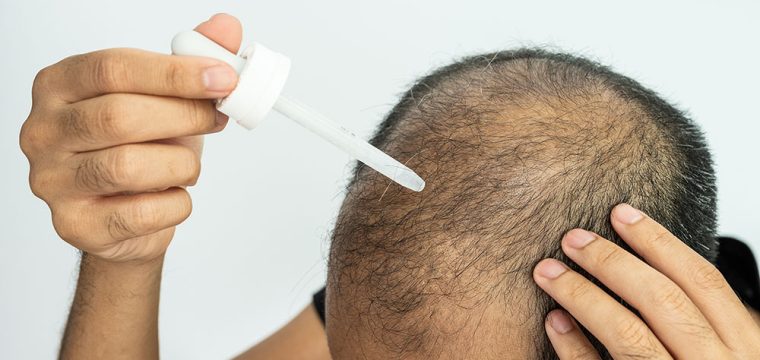
Minoxidil is also available in different formulations, most commonly foam and solution. Minoxidil solution is applied using a dropper, which may allow for more precise placement on specific areas of the scalp. However, some people find that it feels greasy or causes irritation, particularly if they have a sensitive scalp.
Minoxidil foam is often preferred by people who want a lighter, less oily formula or who are prone to scalp sensitivity. However, it may be more difficult to apply evenly through longer or thicker hair.
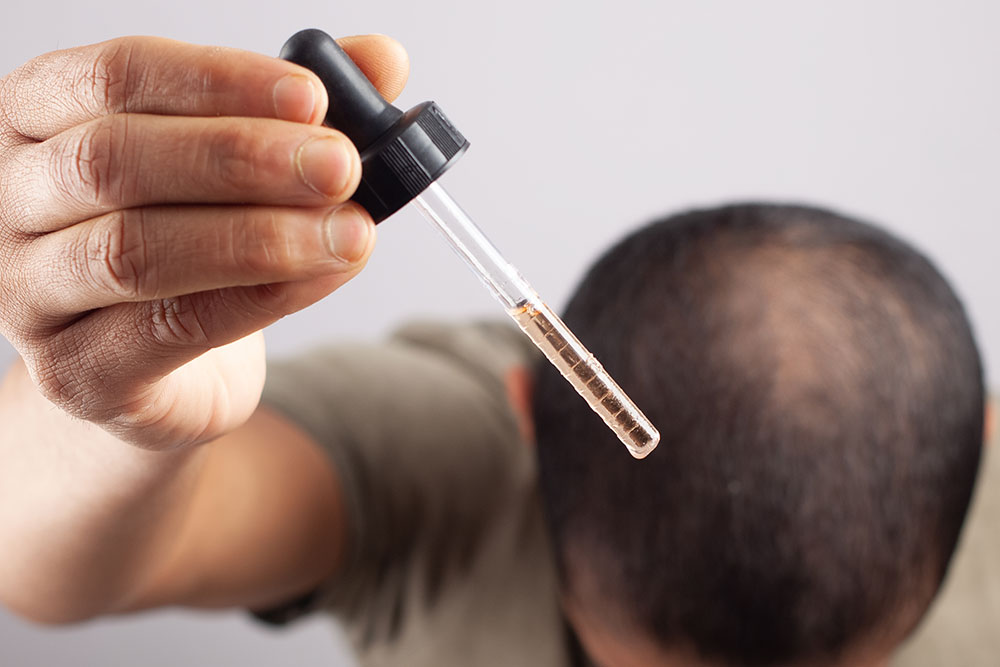
It’s important to apply minoxidil correctly to achieve the best results.
5. The Way You Apply Minoxidil Makes a Difference
Using minoxidil correctly is important in achieving the best results. While your doctor may provide specific instructions based on your hair loss pattern and treatment plan, general guidance usually includes:
- Applying minoxidil only to the areas of the scalp recommended by your doctor.
- Using the recommended amount. Applying more will not speed up hair growth.
- Applying to a dry scalp unless advised otherwise.
- Washing your hands thoroughly after application.
- Allowing the product to dry fully before styling your hair or going to sleep.
- Avoiding applying minoxidil to broken, irritated or inflamed skin.
- Using it consistently and exactly as directed.
6. Minoxidil is Generally Safe When Used Correctly
Topical minoxidil is generally well tolerated when used correctly, but like any treatment, it may cause side effects in some people. These can include scalp itching, dryness, flaking, redness, irritation, temporary shedding and unwanted facial hair growth.
It’s important to seek medical advice before using minoxidil, especially if you have heart conditions, are pregnant, breastfeeding, have an existing scalp condition or are experiencing sudden or unexplained hair loss.
7. Accurate Diagnosis is Key Before Starting Minoxidil
Minoxidil can be helpful for certain types of hair loss, but it is not suitable for every patient or every cause of shedding. Hair loss is a symptom rather than a diagnosis, and the underlying cause can vary widely.
Possible causes may include male or female pattern hair loss, telogen effluvium, alopecia areata, thyroid concerns, iron or vitamin deficiencies, PCOS or other hormonal changes, scalp inflammation, medication-related shedding, postpartum changes, stress or illness.
At Dr Malay Mehta’s clinic in Mumbai, the initial step is to assess the cause, pattern and stage of hair loss before recommending a treatment plan. This helps ensure that minoxidil, or any other treatment, is only recommended when it is appropriate for the patient’s condition and goals.
8. Minoxidil Is Often Part of a Broader Hair Loss Treatment Plan
Minoxidil is often used as part of a wider hair restoration plan rather than as a standalone treatment. Depending on the cause, stage and pattern of hair loss, it may be combined with other options such as prescription treatments like finasteride where appropriate, hair transplant surgery, scalp care, nutritional correction if deficiencies are identified, low-level laser therapy where available, or post-transplant maintenance.
9. Minoxidil Is Not a Substitute for Hair Transplant Surgery
It is important to have realistic expectations about what minoxidil can and cannot achieve. Minoxidil may help support existing hair growth and slow further thinning in suitable patients, but it cannot restore density in areas where the follicles are no longer active.
If hair loss has progressed beyond what medical treatment alone can improve, options such as a FUE hair transplant, an ARTAS robotic hair transplant or a Biofibre hair transplant may be discussed as part of a personalised treatment plan.
10. Long-Term Results Depend on Consistency, Monitoring and the Right Treatment Plan
Minoxidil is best understood as a long-term maintenance treatment, and results can vary from person to person. Progress is usually gradual, so taking photos every three months can help you track changes.
Regular medical review is also important. Your treatment plan may need to be adjusted if you experience scalp irritation, ongoing shedding, limited response or changes in your hair loss pattern.
At Dr Malay Mehta’s clinic in Mumbai, we offer a range of hair restoration treatments, including hair transplant surgery and hair loss treatments.
Hair Restoration Treatments at Dr Malay Mehta’s Clinic
At Dr Malay Mehta’s clinic in Mumbai, hair-loss advice is tailored to each patient’s diagnosis, hair-loss pattern, scalp condition, and treatment goals. Rather than taking a one-size-fits-all approach, the clinic carefully assesses each patient before recommending whether minoxidil or another treatment is appropriate.
Minoxidil may be recommended for suitable patients as part of a medical hair-loss plan, particularly where the aim is to support existing hair growth, slow further thinning, or maintain results after other treatments. Where appropriate, it may also be combined with other treatments as part of a broader hair restoration strategy.
The clinic also offers a range of hair restoration procedures, including FUE hair transplant, ARTAS robotic hair transplant and Biofibre hair implants for patients seeking procedural options for more advanced or persistent hair loss. A consultation is the best starting point to determine which treatment, or combination of treatments, is most suitable.
How to contact us
Phone: +91 7045291747
Another Phone: +91 8758691345
Email Us: drmalaymehta@gmail.com
6th Floor, Cosmos Court,
Vile Parle West Mumbai – 400056
Maharashtra, India
FAQs
Does minoxidil work for women as well as men?
Yes, minoxidil can be used by both women and men to treat pattern hair loss, although the recommended strength and application schedule may differ. Higher-strength minoxidil, such as 5%, may increase the risk of side effects, including scalp irritation and unwanted facial hair growth. For this reason, a lower strength or less frequent application may be recommended in some cases. Anyone considering minoxidil should seek medical advice first to confirm whether it is suitable and to choose the most appropriate formulation.
Which minoxidil is best for hair growth?
There is no single best minoxidil for hair growth. The most suitable option depends on your diagnosis, hair-loss pattern, scalp tolerance and ability to use the treatment consistently. Foam may be better suited to people who are prone to scalp irritation, while the solution can allow for more precise application. A doctor can help determine whether 2% or 5% minoxidil is more appropriate for your needs.
Is minoxidil safe for hair growth?
Topical minoxidil is generally well tolerated when used correctly, but side effects can occur. These may include scalp itching, dryness, redness, irritation, temporary shedding or unwanted facial hair growth. It is recommended to seek medical advice before using minoxidil, especially if you have a heart condition, scalp disease, sudden hair loss, or are pregnant or breastfeeding.
How do you use minoxidil for hair growth?
Minoxidil should be applied only to the recommended areas of the scalp, usually on dry skin. Use the directed amount, wash your hands afterwards and allow it to dry before styling your hair or going to sleep. Do not apply it to broken, irritated or inflamed skin.
Can minoxidil be combined with other hair loss treatments?
Yes, minoxidil may be combined with treatments such as prescription options, scalp care, nutritional correction or post-transplant maintenance where appropriate. Combination treatment should be medically guided to match the cause, stage, and pattern of your hair loss.
Does minoxidil work on completely bald areas?
Minoxidil works best when hair follicles are still active. It cannot create new follicles or restore growth in areas where follicles are no longer functioning. For advanced hair loss, options such as FUE hair transplant or ARTAS robotic hair transplant may be more suitable.

About The Author
Dr Malay Mehta
Dr Malay Mehta is passionate about offering men the confidence the've always wanted by performing hair transplants with outstanding hair density and natural looking results. He is known as the best hair transplant surgeon in Mumbai delivering amazing results at the most affordable prices in the area.
Most Popular Posts

15 January 2023

5 January 2024

15 February 2023
What is the Cost and Success of PRP Hair Treatment in India?

21 December 2023








 Online Marketing For Doctors

Comments