
You know that alcohol should be avoided after surgery, but what about after a hair transplant specifically? Does it actually matter, and if so, how long do you actually need to wait?
At Dr Malay Mehta’s Hair Transplant Clinic in Mumbai, we offer a range of hair transplant and restoration options tailored to each patient’s individual needs and hair loss profile. Patient education is central to the care we provide, and Dr Mehta ensures every patient has a thorough understanding of what recovery involves, including what to avoid and why.
In this article, we’ll explain why alcohol should be avoided after a hair transplant, how long to wait and what the risks are if you drink too soon.
Can You Drink Alcohol After a Hair Transplant?
Alcohol should be avoided during the early recovery period after a hair transplant. While it may be tempting to celebrate or relax, drinking too soon can interfere with healing and increase the risk of complications that may affect your final results. The good news is that the restriction is temporary. For most patients, a short window of abstinence is all that is required before it is safe to resume drinking in moderation.
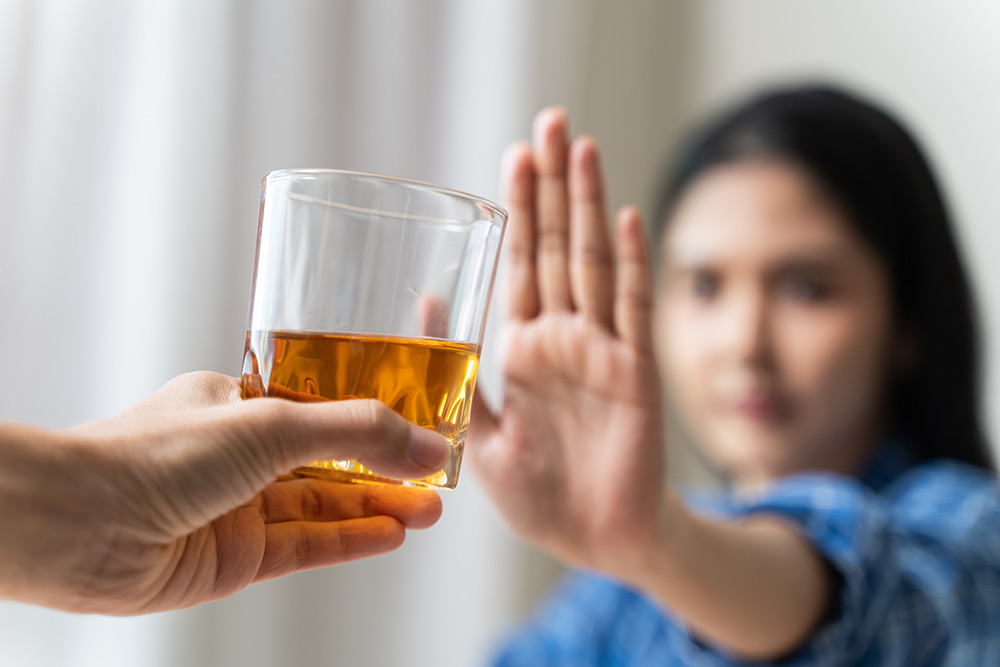
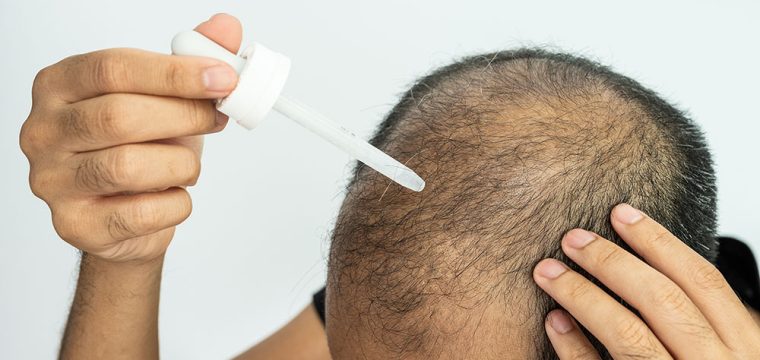
Alcohol should be avoided in the first few days after a hair transplant as drinking too soon can interfere with the healing process.
Why Can’t You Drink Alcohol After a Hair Transplant?
Alcohol interferes with the healing process in several ways and increases the risk of complications during the critical early recovery period.
It Thins the Blood
Alcohol has a blood-thinning effect, which increases the risk of bleeding at both the donor and recipient sites. In the days immediately following surgery, when the scalp is still healing, this may affect how well the grafts settle into place.
It Increases Swelling
Alcohol causes blood vessels to dilate, which promotes fluid retention and can make post-operative swelling worse than it needs to be. Given that swelling is already one of the most common side effects in the first few days after a hair transplant, the last thing you want is for it to be made worse by alcohol.
It Dehydrates the Body
Staying well hydrated is one of the simplest ways you can support recovery. Alcohol works against this by acting as a diuretic, increasing fluid loss at a time when the body needs adequate hydration to heal efficiently and maintain the best possible environment for graft survival.
It can Interfere with Medications
Many patients are prescribed antibiotics, anti-inflammatory medications or other post-operative drugs following a hair transplant. Alcohol can interact with these medications, reducing their effectiveness or causing unwanted side effects.
Typically, you’d want to wait at least five to seven days before consuming any alcohol after a hair transplant.
How Many Days After a Hair Transplant Can You Drink Alcohol?
Most surgeons recommend waiting at least five to seven days before consuming any alcohol following a hair transplant. However, a more conservative window of seven to ten days is advisable for patients who want to minimise any risk to their results, with ten to fourteen days being the safest approach overall.
Days 1 to 3: The Most Critical Window
In the first 72 hours, the transplanted grafts are at their most vulnerable. They have yet to anchor into the surrounding tissue, and the scalp is actively working to close the extraction and implantation sites. Any increase in bleeding or swelling during this period can directly compromise graft survival. Alcohol should be strictly avoided with no exceptions during this phase.
Days 4 to 7: Still High Risk
By days four to seven, the initial healing is underway, but the grafts are still in a delicate state. Swelling is often at its peak during this window, and the scalp remains susceptible to complications. Alcohol’s ability to thin the blood and dilate blood vessels (causing them to widen and increase fluid retention) makes this an equally important period to avoid drinking, even if you are starting to feel better.
Days 7 to 10: Proceed With Caution
From around day seven, most patients have moved through the peak of swelling, and the grafts are becoming more secure. Some surgeons may give the go-ahead for light drinking during this window, but this should only be done with approval from your surgeon.
Days 10 to 14: Generally Safer to Resume Light Drinking
By days ten to fourteen, most of the initial healing is complete, and the risk associated with alcohol has reduced considerably. Light drinking is generally considered safe at this point for most patients, though it is always worth checking in with your surgeon first, as recovery timelines can vary depending on the individual and the scope of the procedure.
Drinking Alcohol After a Hair Transplant: Timeline
| Time After Surgery | Recommendation |
|---|---|
| Day 0 to 3 | Strictly avoid alcohol |
| Day 4 to 7 | Continue to avoid alcohol |
| Day 7 to 10 | As advised by your surgeon |
| Day 10 to 14 | Generally the safer window to resume light drinking |
| Two weeks and beyond | Normal habits can typically resume if recovery is on track |
Thinking About a Hair Transplant? Here’s How Dr Malay Mehta Can Help
If you are considering a hair transplant, choosing a surgeon who takes the time to explain what recovery involves, including what to avoid and why, can make a significant difference to your experience and your results. At Dr Malay Mehta’s Hair Transplant Clinic in Mumbai, Dr Mehta and his team support patients at every stage, from the initial consultation through to full recovery.
Our suite of treatment options includes:
FUE Hair Transplant
FUE is a minimally invasive hair transplant technique that involves extracting individual follicles from the donor zone and relocating them into areas of thinning or loss. With no linear incision required, it produces natural-looking results with minimal scarring and a straightforward recovery.
Biofibre Hair Implants
Biofibre hair implants are a non-surgical treatment that introduces biocompatible synthetic fibres into the scalp to create an immediate improvement in volume and density. They are particularly suited to patients who do not have sufficient donor hair for a conventional transplant.
ARTAS Robotic Hair Transplant
The ARTAS robotic hair transplant is an AI-guided system that uses a high-definition stereoscopic vision system to identify and extract the most viable follicles from the donor area with robotic precision. Its minimally invasive approach results in less trauma to the scalp and a generally smoother recovery compared to manual techniques.
Mesotherapy
Mesotherapy is a non-surgical treatment that delivers a targeted blend of vitamins and growth factors directly into the scalp to nourish follicles and improve scalp health. It can be used as a standalone treatment or as part of a post-operative recovery plan to reduce inflammation and support healing.
Other Hair Loss Treatments
Dr Mehta’s clinic also offers Growth Factor Concentrate Therapy, Low-Level Laser Therapy (LLLT) and scalp micropigmentation (SMP) as standalone or complementary options. Each can be used independently or alongside other treatments to improve density, encourage growth and support long-term scalp health.
How to contact us
Phone: +91 7045291747
Another Phone: +91 8758691345
Email Us: drmalaymehta@gmail.com
6th Floor, Cosmos Court,
Vile Parle West Mumbai – 400056
Maharashtra, India
FAQs
Can alcohol affect your hair transplant?
Yes, especially in the early stages of recovery. Alcohol thins the blood, worsens swelling and can interfere with prescribed medications, any one of which can have a direct impact on how well the grafts heal and survive in the days immediately following surgery.
How long should I wait to drink alcohol after a hair transplant?
Most surgeons recommend waiting at least five to seven days, with a window of ten to fourteen days being the safer option for most patients. Your surgeon’s specific guidance should always take precedence, as recovery timelines vary depending on the individual and the procedure.
Can alcohol affect hair graft survival?
Yes, indirectly. Alcohol increases the risk of bleeding and swelling in the early post-operative period, both of which can place stress on newly transplanted grafts. Avoiding alcohol during this critical window gives your grafts the best possible conditions to survive and grow.
Does alcohol increase swelling after hair transplant surgery?
Yes, alcohol can increase swelling after a hair transplant. It causes blood vessels to dilate, which encourages fluid buildup in the treated areas. This can make swelling more noticeable and potentially prolong recovery, especially in the first few days after surgery.
When is the safest time to drink alcohol after a hair transplant?
The safest time to drink alcohol after a hair transplant is usually around 10 to 14 days post-procedure, once the initial healing phase is complete. While some surgeons may allow light drinking after about 5–7 days, waiting closer to two weeks helps minimise the risk of bleeding, swelling, and interference with graft healing. Always follow your surgeon’s specific guidance, as recovery can vary from person to person.

About The Author
Dr Malay Mehta
Dr Malay Mehta is passionate about offering men the confidence the've always wanted by performing hair transplants with outstanding hair density and natural looking results. He is known as the best hair transplant surgeon in Mumbai delivering amazing results at the most affordable prices in the area.
Most Popular Posts

15 January 2023

5 January 2024

15 February 2023
What is the Cost and Success of PRP Hair Treatment in India?

21 December 2023








 Online Marketing For Doctors

Comments