
Do you enjoy your morning coffee but worry that your daily habit might be causing hair loss? It is a common concern and a fair one to raise, given how much of modern life runs on caffeine.
At Dr Malay Mehta’s clinic in Mumbai, questions about caffeine and hair loss come up regularly. The connection, however, is not as straightforward as many people assume. Caffeine itself is not generally considered a direct cause of hair loss, but excessive intake, stress, sleep disruption, or underlying health factors may indirectly influence the hair growth cycle.
In this article, we explore what current evidence says about caffeine and hair health, where common misconceptions come from and when it may be time to seek professional advice for ongoing hair thinning.
Does Caffeine Cause Hair Loss?
No, for most people, caffeine is not the reason behind their hair loss. Drinking coffee in moderation has not been proven to damage hair follicles or directly cause thinning hair.
However, consuming excessive amounts of caffeine may affect the body in ways that can indirectly contribute to shedding. Too much caffeine can interfere with sleep, increase feelings of stress or anxiety and sometimes affect appetite or nutrition. These factors can place stress on the body, potentially disrupting the normal hair growth cycle over time.
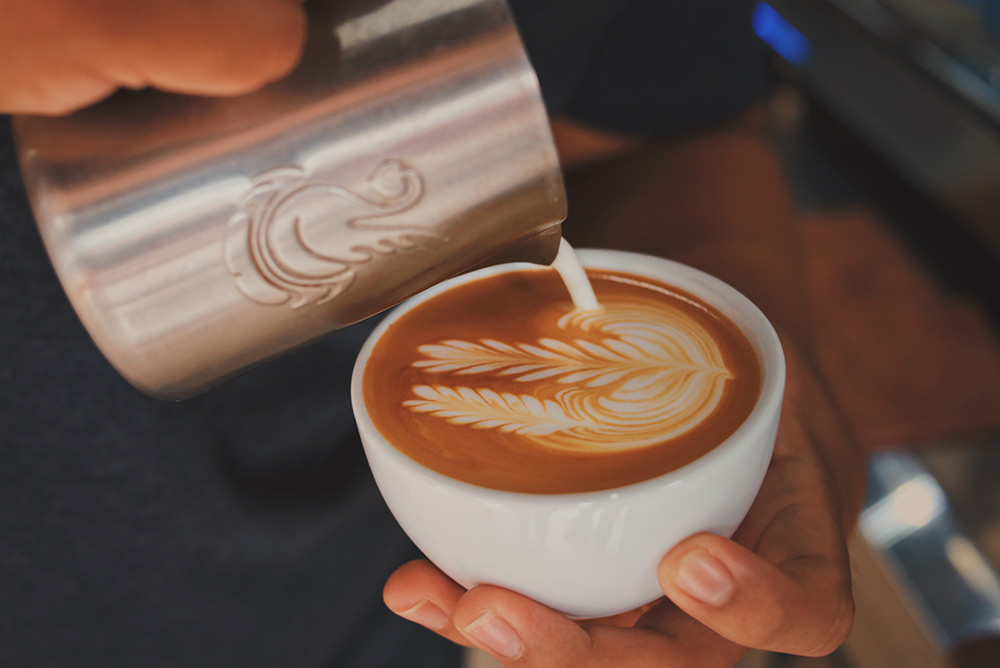
Caffeine is not generally viewed as harmful to hair follicles in normal amounts.
How Caffeine Affects Hair and the Scalp
The Relationship Between Caffeine and Hair Follicles
Research into caffeine and hair health has mainly focused on whether caffeine could potentially support hair follicles rather than damage them. In laboratory studies, caffeine has been shown to stimulate activity within certain follicle cells and may help keep hairs in the growth phase for longer.
Researchers have also explored its possible effects on scalp circulation, which delivers oxygen and nutrients to the follicles. The main takeaway is that caffeine is not considered harmful to hair follicles in normal amounts. In fact, this research is one of the reasons caffeine is sometimes included in shampoos and scalp treatments aimed at thinning hair.
However, while the early findings are promising, the evidence is still limited, and caffeine alone is unlikely to significantly regrow hair or reverse established hair loss.
Can Caffeine Block DHT?
One of the main drivers of hereditary hair loss, known as androgenetic alopecia, is a hormone called dihydrotestosterone (DHT). Over time, DHT can shrink sensitive hair follicles, causing hairs to become finer and shorter before eventually stopping growth altogether.
Some early laboratory studies have suggested that caffeine may help reduce the suppressive effect DHT has on certain follicle cells. This has led researchers to explore whether caffeine-based treatments could play a supportive role in hair loss management.
However, these findings need to be interpreted carefully. Results from laboratory studies do not necessarily translate into noticeable hair regrowth in real-world settings. At this time, drinking coffee is not considered a treatment for hair loss. While topical caffeine products may support scalp health in some individuals, they are unlikely to reverse significant thinning on their own.
Does Coffee Cause Hair Loss Indirectly?
While coffee itself is not considered a direct cause of hair loss, excessive caffeine intake can indirectly contribute to conditions that affect the hair growth cycle.
Excessive Caffeine and Stress Hormones
High caffeine consumption may increase feelings of stress or anxiety in some people, particularly when intake is excessive or spread throughout the day. Caffeine can also interfere with sleep quality, especially when consumed later in the afternoon or evening.
Both ongoing stress and poor sleep are recognised triggers of telogen effluvium, a temporary form of hair shedding in which more hairs than usual shift into the resting phase at the same time. In these situations, it is not the coffee that directly damages the follicles. Instead, the lifestyle effects associated with excessive caffeine intake may place stress on the body and contribute to increased shedding.
Can Too Much Coffee Affect Nutrient Absorption?
There is also some evidence that caffeine may reduce the absorption of certain nutrients, including iron, when consumed in large amounts around mealtimes. Iron, zinc and protein all play important roles in maintaining healthy hair growth.
For someone who already has low iron levels or a diet lacking in key nutrients, excessive coffee intake may make it harder for the body to get what it needs to support normal hair growth. However, for most people with a balanced diet, moderate coffee consumption is unlikely to have a noticeable effect on hair health.
When Could Caffeine Be Playing a Role?
In some people, excessive caffeine intake may contribute to habits or symptoms that can affect overall hair health. You may want to take a closer look at your caffeine consumption if you are also experiencing:
- Difficulty sleeping or poor-quality sleep
- Feeling anxious, jittery or overstimulated
- Increased hair shedding during periods of stress
- Low iron levels or a nutritionally poor diet
- Energy highs followed by noticeable crashes throughout the day
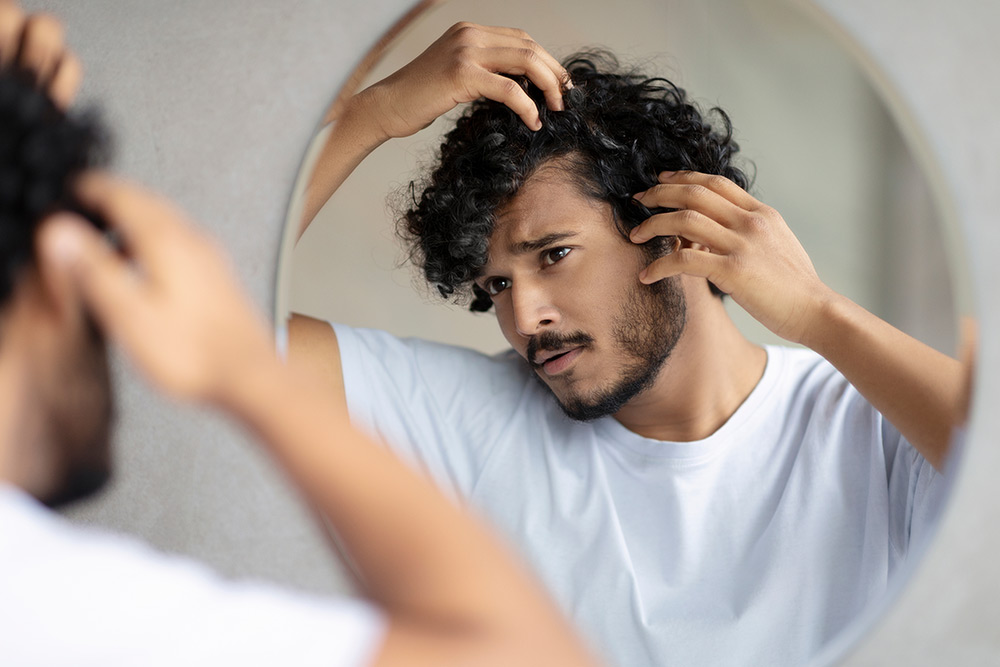
If you’re experiencing hair loss, you’ll want to identify the root cause and see a hair specialist for advice.
What to Do If You’re Experiencing Hair Loss
If you are noticing increased shedding or thinning hair, it is important to look beyond caffeine alone. In most cases, hair loss is linked to a combination of factors rather than a single habit or dietary trigger.
Start by Identifying the Root Cause
Hair loss can develop for many different reasons, including genetics, hormonal changes, ongoing stress, nutritional deficiencies and scalp conditions. Identifying the underlying cause is one of the most important steps, because different types of hair loss require different treatment approaches.
For example, reducing coffee intake is unlikely to make a difference if the main cause is hereditary hair loss or a scalp or hormonal condition.
When to See a Hair Specialist
It may be worth seeking professional advice if you notice:
- Persistent or excessive shedding
- A receding hairline
- Thinning around the crown or part line
- Sudden changes in hair density
- Patches of visible scalp or baldness
A hair specialist such as Dr Mehta can assess your scalp, review your medical history and determine what may be contributing to the hair loss. This can help avoid unnecessary guesswork and ensure you are choosing treatments suited to your specific condition.
Hair Loss Treatment Options at Malay Mehta Aesthetic Clinic
FUE Hair Transplant
Follicular Unit Extraction (FUE) is a minimally invasive hair transplant technique that involves carefully extracting healthy follicles from donor areas and transplanting them into areas affected by thinning or hair loss.
Biofibre Hair Implants
For patients with limited donor hair availability, Biofibre hair implants may be an alternative option. This treatment uses synthetic biocompatible fibres to improve the appearance of density and scalp coverage.
ARTAS Robotic Hair Transplant
The ARTAS robotic system uses advanced imaging and AI-assisted technology to precisely identify and extract suitable hair follicles. The minimally invasive nature of the procedure is designed to reduce unnecessary trauma to the scalp while supporting natural-looking results.
Mesotherapy
Mesotherapy is a non-surgical scalp treatment that delivers vitamins, nutrients and growth-supporting ingredients directly into the scalp. It is often used to support scalp health and may be incorporated into broader hair restoration plans.
Other Hair Loss Treatments
Dr Mehta’s clinic also offers advanced solutions such as Growth Factor Concentrate Therapy, Low-Level Laser Therapy (LLLT) and scalp micropigmentation (SMP). Depending on the cause and extent of hair loss, these treatments may be used individually or combined as part of a personalised hair restoration approach.
How to contact us
Phone: +91 7045291747
Another Phone: +91 8758691345
Email Us: drmalaymehta@gmail.com
6th Floor, Cosmos Court,
Vile Parle West Mumbai – 400056
Maharashtra, India
FAQs
Can too much caffeine cause hair thinning?
Caffeine itself is not considered a direct cause of hair thinning, but excessive intake may indirectly contribute to hair loss in some individuals. High caffeine consumption can affect sleep quality, increase stress or anxiety, and in some cases, interfere with iron absorption. Since stress, poor sleep and nutritional deficiencies can all affect the hair growth cycle, these factors may contribute to increased shedding over time.
Does caffeine help hair growth?
Research into caffeine and hair growth is still developing, but some laboratory studies suggest topical caffeine may help stimulate hair follicles. This is why caffeine is sometimes included in shampoos and scalp serums designed for thinning hair. However, the evidence remains limited and drinking coffee itself is not considered a proven treatment for hair loss or regrowth.
Is caffeine bad for hair growth?
For most people, moderate caffeine intake is unlikely to negatively affect hair growth. In fact, some studies suggest caffeine may have supportive effects on follicle activity when used topically. Problems are more likely to arise when caffeine is consumed excessively, particularly if it contributes to poor sleep, elevated stress levels or nutritional imbalances that may affect overall hair health.
How much caffeine is safe for hair health?
There is no specific caffeine limit linked directly to hair health, but general health guidelines suggest that up to around 400mg of caffeine per day, roughly equivalent to three to four cups of coffee, is considered safe for most healthy adults. Moderate intake is unlikely to affect hair growth. If you regularly consume large amounts of caffeine and are also experiencing thinning hair, stress or sleep disruption, it may be worth reassessing your intake alongside other possible causes of hair loss.

About The Author
Dr Malay Mehta
Dr Malay Mehta is passionate about offering men the confidence the've always wanted by performing hair transplants with outstanding hair density and natural looking results. He is known as the best hair transplant surgeon in Mumbai delivering amazing results at the most affordable prices in the area.
Most Popular Posts

15 January 2023

5 January 2024

15 February 2023
What is the Cost and Success of PRP Hair Treatment in India?
21 December 2023





 Online Marketing For Doctors

Comments