
Wrinkles are one of the most visible signs of ageing, but they’re not all the same. From fine lines to deep folds, different types of wrinkles form due to various internal and external factors. Understanding these differences is the first step in choosing the right treatment to rejuvenate and protect your skin.
At Dr. Malay Mehta’s clinic in Mumbai, we offer wrinkle treatment options such as the Q-Switch laser to help you achieve smoother, clearer, and more radiant skin.
What Are Wrinkles and Why Do They Form?
Wrinkles are visible lines, folds, or creases that form in the skin as part of the natural ageing process. While ageing is the most common factor, wrinkles can appear prematurely due to a variety of internal and external influences. They often start as fine lines and deepen over time, particularly in areas that experience frequent movement or sun exposure.
As we grow older, the skin’s ability to produce collagen and elastin—two proteins responsible for skin firmness and elasticity—gradually declines. Combined with thinning skin, slower cell regeneration, and environmental stressors, this makes the skin more prone to sagging and wrinkling.
Additional Common Causes of Wrinkles:
- Sun damage (UV radiation): Prolonged sun exposure is one of the biggest culprits behind premature ageing. UV rays break down collagen and elastin fibres, accelerating wrinkle formation.
- Smoking and pollution: These factors introduce free radicals into the body, which damage skin cells and speed up visible ageing.
- Dehydration: When the skin lacks moisture, it becomes dry, tight, and more likely to form lines and creases.
- Hormonal changes: A decline in oestrogen, especially in women during menopause, can thin the skin and reduce its resilience.
- Poor skincare habits: Inconsistent or harsh skincare routines can impair the skin barrier and contribute to early signs of ageing.
Understanding these contributing factors is essential for choosing the right prevention methods and treatments.
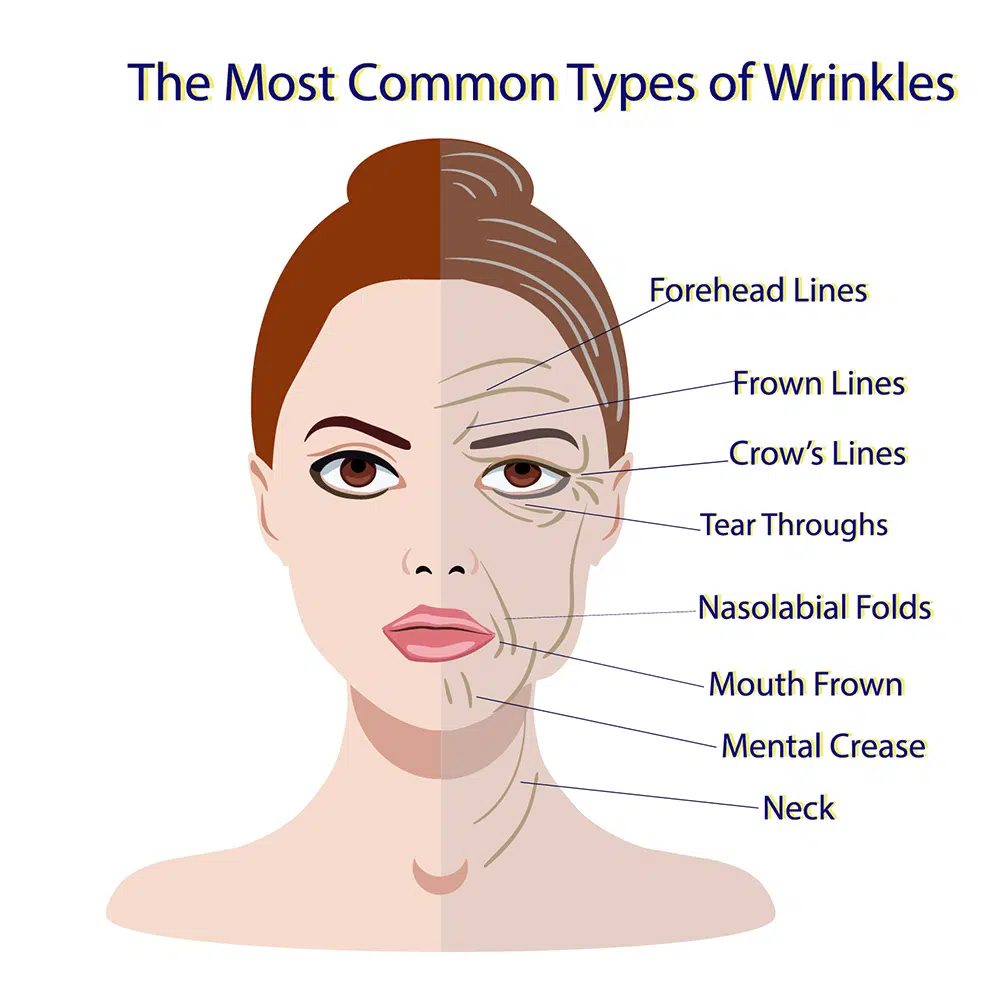
There are many types of wrinkles including dynamic wrinkles, static wrinkles, fine lines and deep wrinkles and folds.
Types of Wrinkles
Not all wrinkles are the same—some are caused by repeated muscle movement, while others result from gravity, ageing, or how you sleep. Recognising the different types helps guide the most effective treatment approach.
1. Dynamic Wrinkles
Dynamic wrinkles form due to repeated facial expressions such as smiling, laughing, frowning, or squinting. These movements cause the muscles under the skin to contract, which over time leads to creasing of the overlying skin. In younger skin, these lines usually disappear at rest, but with age, they can become more permanent.
Common Areas:
- Forehead (horizontal lines)
- Around the eyes (crow’s feet)
- Around the mouth (smile or laugh lines)
Treatment Note: Early intervention with targeted therapies can help reduce the appearance of dynamic wrinkles before they become static.
2. Static Wrinkles
Static wrinkles are lines that remain visible even when the face is at rest. Unlike dynamic wrinkles, these are not solely linked to facial movement. They are typically caused by collagen breakdown, loss of skin elasticity, and the cumulative effects of sun damage and environmental exposure.
Causes Include:
- Natural ageing
- Long-term UV exposure
- Smoking or poor nutrition
- Skin dehydration and thinning
Treatment Consideration: Static wrinkles often require deeper treatments, such as resurfacing lasers, to improve skin structure and smoothness.
3. Fine Lines
Fine lines are subtle and shallow lines that usually form on the outermost layer of the skin. They are often the first visible signs of ageing and tend to appear in people as early as their late 20s or early 30s, especially in areas where the skin is most delicate.
Common Areas:
- Under and around the eyes
- Around the mouth
- Forehead creases
Characteristics: Fine lines are easier to treat and often respond well to consistent skincare and light resurfacing treatments.
4. Deep Wrinkles and Folds
Deep wrinkles develop as fine lines and static wrinkles progress over time. These are more pronounced and often occur due to a combination of skin sagging, loss of facial fat volume, and repetitive muscle motion. Deep folds, like nasolabial folds (running from the nose to the mouth), can significantly change facial contours.
Key Contributors:
- Ageing and gravity
- Volume depletion in the cheeks or temples
- Reduced skin elasticity
Treatment Note: These wrinkles may require a combination of advanced treatments for best results, such as Q-switch laser therapy, dermal fillers, or collagen-stimulating procedures.
5. Sleep and Compression Wrinkles
These less commonly discussed wrinkles form due to constant pressure on the face or chest during sleep. Over time, this repetitive compression creates lines, particularly in side sleepers or stomach sleepers.
Common Areas:
- Cheeks
- Temples
- Chest and décolletage
Prevention Tip: Using a silk pillowcase or sleeping on your back can help minimise the formation of sleep-related wrinkles.
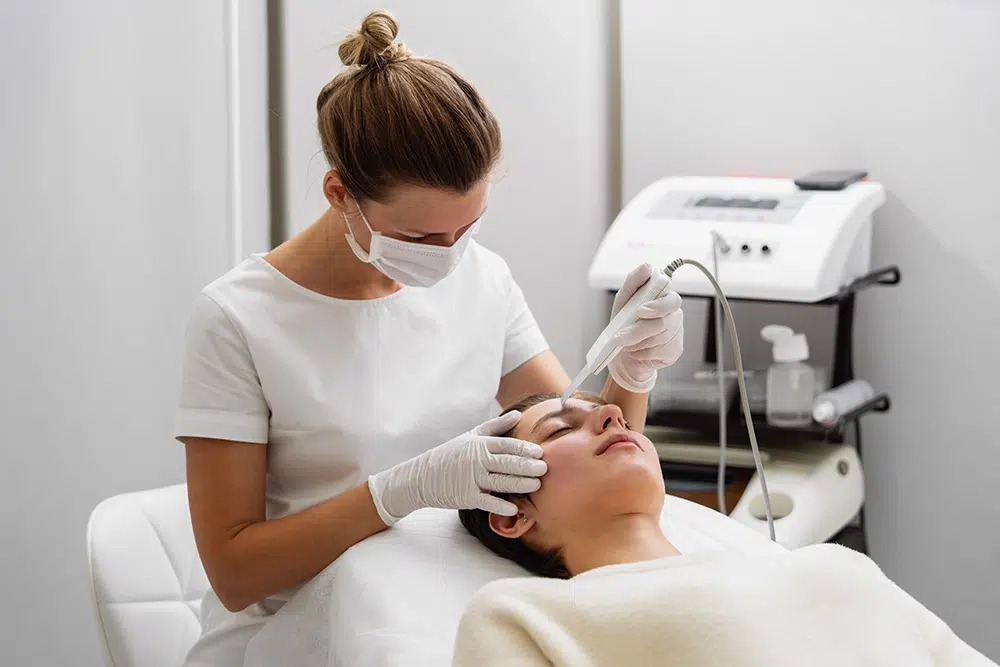
The main difference between fine lines and wrinkles is that fine lines are usually superficial and wrinkles are deeper and more permanent.
Difference Between Fine Lines and Wrinkles
Although the terms “fine lines” and “wrinkles” are often used interchangeably, they refer to different stages of the ageing process.
Fine lines are superficial and typically form first. They’re more responsive to early skincare interventions, topical treatments, and mild exfoliation.
Wrinkles, on the other hand, are deeper and more permanent. They indicate more significant structural changes in the skin and usually require clinical treatment for noticeable improvement.
Recognising the difference allows for a more tailored approach to skincare and anti-ageing therapy—something Dr. Malay Mehta takes into account when crafting personalised treatment plans.
How to Treat Wrinkles Effectively
Treating wrinkles starts with understanding their type and cause. While some fine lines can be addressed with topical skincare or treatments such as chemical peels, deeper or static wrinkles often require more targeted solutions.
Common Treatment Options Include:
Topical Skincare Products
Retinoids, antioxidants, and peptides can help improve skin texture and delay the development of fine lines when used consistently.
Hydration & Lifestyle Changes
Staying hydrated, avoiding smoking, managing stress, and wearing SPF daily can slow the progression of wrinkles and improve overall skin health.
Professional Treatments
In-clinic procedures can deliver faster, more visible results—especially for deeper lines.
At Dr. Malay Mehta’s clinic, the Q-Switch Laser Treatment is a non-invasive, dermatologist-recommended procedure to reduce the appearance of wrinkles and improve skin tone.
How it works:
The laser delivers short bursts of energy that penetrate deep into the skin to stimulate collagen production and break down uneven pigmentation. This leads to smoother skin, improved elasticity, and reduced wrinkle depth over time.
Benefits:
- Stimulates collagen for firmer skin
- Minimises fine lines and surface wrinkles
- Non-surgical, low-downtime procedure
- Brightens and evens skin tone
Q-Switch Laser is especially beneficial for early ageing signs like fine lines, as well as stubborn static wrinkles. A consultation with Dr. Mehta can help determine your suitability for the treatment.
How to contact us
Phone: +91 7045291747
Another Phone: +91 8758691345
Email Us: drmalaymehta@gmail.com
6th Floor, Cosmos Court,
Vile Parle West Mumbai – 400056
Maharashtra, India
FAQs
How to remove wrinkles under the eyes?
To reduce under-eye wrinkles, non-invasive treatments such as Q-Switch Laser Therapy are ideal. They work by stimulating collagen production and improving skin texture around the delicate eye area without causing harm. Regular hydration and sun protection can also prevent further wrinkling.
What are dynamic wrinkles?
Dynamic wrinkles are expression lines caused by repeated movements such as smiling, squinting, or frowning. Initially, they appear only during facial expressions but may become permanent with age. Common dynamic wrinkles include crow’s feet, forehead lines, and smile lines.
What is the difference between fine lines and wrinkles?
Fine lines are small, shallow creases that develop due to early skin ageing, often seen around the eyes and mouth. Wrinkles are deeper, more pronounced folds caused by long-term collagen breakdown. Fine lines often respond well to early treatments, while deeper wrinkles may need more intensive therapy.
Can Q-Switch Laser treat deep wrinkles?
Yes, Q-Switch Laser can reduce the appearance of deep wrinkles by encouraging the skin’s natural regeneration process. It boosts collagen levels, which improves skin structure and firmness, making deep lines appear softer and less prominent over time.
Are static wrinkles reversible?
Static wrinkles are more persistent because they remain visible even at rest. While they may not disappear entirely, advanced treatments like Q-Switch Laser Therapy can significantly reduce their appearance and improve the overall firmness and texture of the skin.

About The Author
Dr Malay Mehta
Dr Malay Mehta is passionate about offering men the confidence the've always wanted by performing hair transplants with outstanding hair density and natural looking results. He is known as the best hair transplant surgeon in Mumbai delivering amazing results at the most affordable prices in the area.
Most Popular Posts

15 January 2023

5 January 2024

15 February 2023
What is the Cost and Success of PRP Hair Treatment in India?

21 December 2023








 Online Marketing For Doctors

Comments