
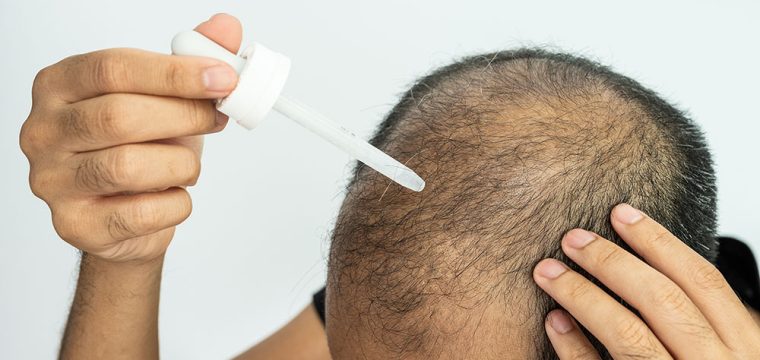
If you’re into fitness, chances are you’ve heard about creatine—a popular supplement for boosting strength and muscle performance. But there’s one question that keeps coming up: Does creatine cause hair loss?
At Dr. Malay Mehta’s hair restoration clinic in Mumbai, patients have asked about whether their gym supplements could be contributing to the problem. This article breaks down what the science says about creatine and hair loss, debunks myths, and outlines your options if you’re noticing more strands in the shower.
What is Creatine?
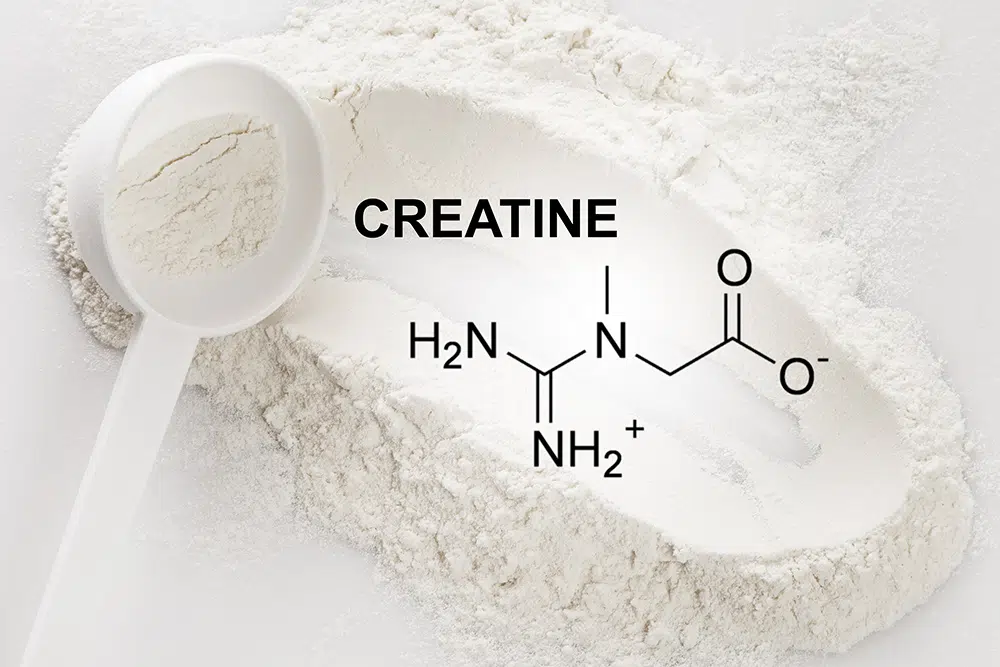
Creatine is a naturally occurring compound found in muscle cells. It’s also available as a dietary supplement, commonly used to enhance athletic performance and increase lean muscle mass. It works by helping your muscles produce energy during high-intensity exercise, which is why it’s a favourite among weightlifters and athletes.
What the Science Says About Creatine and Hair Loss
The idea that creatine might cause hair loss has gained traction online, but what does scientific research actually say?
The main concern originated from a 2009 study involving 20 male rugby players. The participants underwent a short-term creatine loading phase, after which researchers observed a 56% increase in dihydrotestosterone (DHT)—a potent androgen hormone known to contribute to androgenetic alopecia (male pattern baldness).
However, several important caveats should be considered:
Small Sample Size & Short Duration: The 2009 study had only 20 participants and measured hormone levels, not actual hair loss or follicle changes.
No Follow-Up Hair Loss Studies: To date, no robust studies have demonstrated a direct link between creatine and hair loss in either short- or long-term supplementation.
Conflicting Evidence: A larger 12-week randomised controlled trial found no significant effect on DHT levels, testosterone ratios, or scalp hair density in participants taking creatine compared to a placebo.
Expert Consensus: Reputable organisations like the American Hair Loss Association and dermatology researchers agree that creatine is not a confirmed cause of hair thinning or balding.
The verdict? For most people using standard doses (3–5g/day), creatine is unlikely to cause hair loss. But for those with genetic predisposition to androgenetic alopecia, it’s a good idea to keep your creatine consumption to a minimum.
There is no clinical evidence that creatine offers any benefits for hair health.
Creatine and Hair Health: Any Benefits?
Some gym-goers believe that creatine improves hair fullness by enhancing cellular hydration. While it’s true that creatine helps muscle cells retain water—leading to plumpness and fullness—these effects are superficial and temporary when it comes to hair.
There is no clinical evidence that creatine strengthens follicles, improves scalp health, or promotes new hair growth.
Who Needs to Be Cautious?
While creatine is considered one of the safest and most well-researched supplements for improving muscle mass, not everyone reacts the same way—especially when it comes to hair health. If you have a family history of androgenetic alopecia (pattern baldness) or known sensitivity to DHT (dihydrotestosterone), you may want to take additional precautions.
Why? Even minor fluctuations in hormone levels—like those theorised in some creatine studies—could potentially accelerate hair thinning in individuals who are already genetically predisposed. This doesn’t mean creatine directly causes hair loss, but it may act as a trigger in a system that’s already vulnerable.
Signs you may be at risk include:
- A receding hairline or thinning crown at a young age
- Close relatives with advanced hair loss (e.g., father, uncles, siblings)
- Increased shedding during times of hormonal or lifestyle change
If you start creatine supplementation and notice a sudden increase in hair shedding, scalp itchiness, or thinning patches, here’s what you should do:
- Review your supplement intake: Double-check your dosage, timing, and product ingredients.
- Evaluate other factors: Stress, poor nutrition, smoking, and tight hairstyles can all contribute to hair loss.
- Consult a hair restoration specialist: Early intervention is key. A professional like Dr. Malay Mehta can assess whether creatine or other factors are playing a role and recommend a suitable plan of action.
How to Use Creatine Safely If You’re Concerned About Hair Loss
You don’t have to choose between fitness performance and hair health. If you’re cautious or already prone to hair thinning, follow these evidence-backed practices to use creatine more safely:
Stick to Standard Doses
Aim for a maintenance dose of 3–5g per day. Skip aggressive loading phases unless prescribed by a healthcare professional. Excessive intake may place unnecessary stress on your hormonal system without additional athletic benefit.
Buy Reputable Brands
Choose creatine supplements that are third-party tested for quality and safety. Impure supplements could contain contaminants that have unknown effects on hormones and scalp health.
Watch for Signs of Hair Changes
Be proactive. Monitor your hairline, check for excess hair in the shower drain, and stay alert for scalp changes like dryness or irritation. A journal or progress tracker can help you stay on top of early signs.
Support Your Scalp Naturally
Ensure your body is in a hair-friendly state by eating a nutrient-rich diet with protein, zinc, iron, and biotin. Stay hydrated, avoid smoking, and manage stress through sleep, mindfulness, or light exercise.
Experiencing Hair Loss? Here’s How Dr. Malay Mehta Can Help
If you’re already noticing signs of hair thinning or hairline recession, whether related to genetics, lifestyle, or supplements, Dr. Malay Mehta’s clinic in Mumbai offers a range of evidence-based hair restoration solutions such as:
- FUE Hair Transplant: Natural-looking results using your own donor hair follicles.
- Biofibre Hair Implants: A non-surgical alternative using artificial hair fibres.
- ARTAS Robotic Hair Transplant: AI-assisted precision for follicle harvesting and placement.
- Mesotherapy: Nourishing injections that target scalp health and stimulate dormant follicles.
Each treatment is personalised after a comprehensive consultation, ensuring the best results for your hair type, health history, and aesthetic goals.
How to contact us
Phone: +91 7045291747
Another Phone: +91 8758691345
Email Us: drmalaymehta@gmail.com
6th Floor, Cosmos Court,
Vile Parle West Mumbai – 400056
Maharashtra, India
FAQs
Does creatine cause hair loss?
There’s no strong clinical evidence to prove that creatine directly causes hair loss. While a small 2009 study suggested creatine might increase DHT—a hormone linked to hair loss—larger, more recent trials have not confirmed this effect. For most users, creatine is considered safe when taken in recommended doses.
What is the link between creatine and DHT?
The creatine-DHT connection stems from one study that found elevated DHT levels after a loading phase. DHT is a hormone associated with androgenetic alopecia (pattern baldness), but no follow-up studies have replicated these findings. Most experts agree that creatine doesn’t significantly affect DHT levels in a way that would cause hair thinning.
Can creatine accelerate hair loss if I’m genetically prone to baldness?
If you have a family history of pattern baldness, you may be more sensitive to hormonal fluctuations—even minor ones. While creatine may not cause hair loss directly, it’s possible that it could exacerbate existing conditions in genetically predisposed individuals. Monitoring your hair health is important.
Should I stop taking creatine if I notice hair thinning?
If you experience shedding after starting creatine, it’s worth evaluating all potential causes—stress, diet, hormones, or underlying conditions. You may pause the supplement and consult a hair restoration expert like Dr. Malay Mehta to assess whether creatine or another factor is contributing.

About The Author
Dr Malay Mehta
Dr Malay Mehta is passionate about offering men the confidence the've always wanted by performing hair transplants with outstanding hair density and natural looking results. He is known as the best hair transplant surgeon in Mumbai delivering amazing results at the most affordable prices in the area.
Most Popular Posts

15 January 2023

5 January 2024

15 February 2023
What is the Cost and Success of PRP Hair Treatment in India?
21 December 2023







 Online Marketing For Doctors

Comments