
Getting a hair transplant can be life-changing—but to protect your investment, it’s crucial to follow the right post-op care. One of the most common questions patients ask Dr. Malay Mehta is: “When can I return to the gym after my hair transplant?” Whether you’re into weightlifting, cardio, or team sports, returning too soon can disrupt healing and compromise your results.
In this guide, we explore how exercise affects your scalp after a hair transplant, when it’s safe to resume activity, and the precautions you should take for optimal recovery.
Why Exercise Timing Matters After a Hair Transplant
Sweating, increased blood pressure, and physical strain can pose risks in the days following your transplant. Regardless of the technique used, your scalp needs time to heal, and your new grafts need time to anchor.
Exercising too early can:
- Dislodge freshly implanted grafts
- Increase swelling or bleeding in the donor and recipient areas
- Lead to infection due to sweat and bacteria
- Delay healing or lead to scarring
Each of these issues can impact your final result, leading to graft failure, uneven growth, or visible scarring. That’s why Dr. Mehta always recommends following a strict aftercare timeline.

When it comes to exercising after a hair transplant, it’s best to wait for at least 14 days before resuming moderate workouts.
General Timeline: Exercise After Hair Transplant
While healing rates vary by individual, here’s a general guide to when you can resume physical activity:
Days 1–3: Complete Rest
Avoid all forms of exercise. Your scalp is still sensitive, and swelling is most likely during this period. Focus on rest, hydration, and following all post-op instructions provided by Dr. Mehta’s clinic.
Days 4–7: Light Walking
Gentle walking indoors is acceptable, but avoid sweating. This is not the time for brisk walks or stretching routines. Continue to protect your scalp from any contact or friction.
Week 2: Light Cardio
If cleared by Dr. Mehta, you may begin light cardio (e.g., walking on a treadmill or low-resistance cycling). Continue avoiding weightlifting, yoga (especially inverted poses), and anything that increases heart rate too much.
After 14 Days: Moderate Workouts
You can gradually resume moderate workouts like elliptical machines, light jogging, or bodyweight exercises. Be careful not to rub or touch the scalp. Avoid helmets, headbands, or caps unless approved by your surgeon.
After 1 Month: Full Gym Routine
Most patients can return to full workouts—including weightlifting, CrossFit, and HIIT—by 3–4 weeks post-transplant. At this stage, the grafts are usually secure, and most swelling or scabbing has resolved.
Keep in mind that your personal recovery may vary depending on factors like scalp sensitivity, hair transplant type, and overall health.
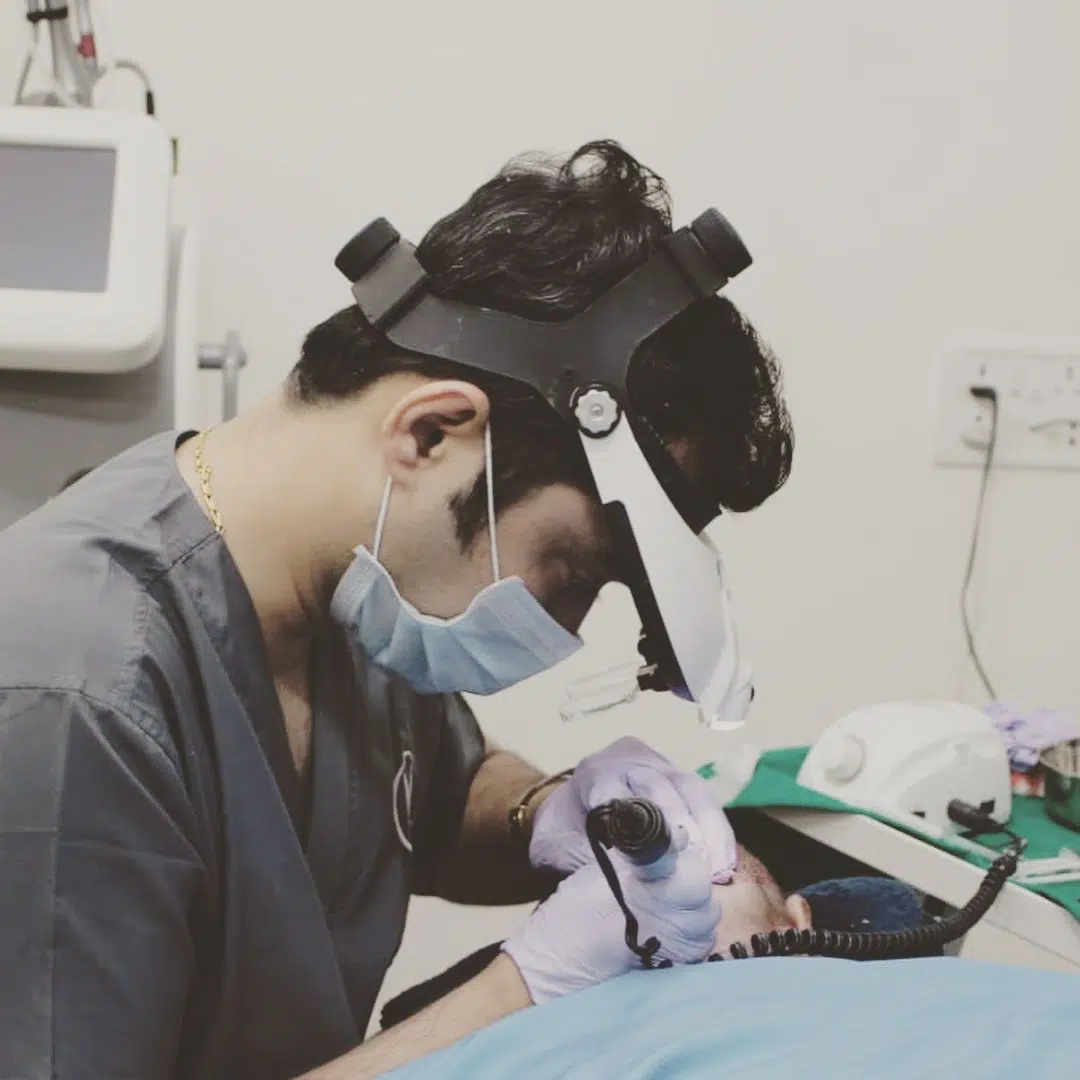
The type of hair transplant procedure you undergo can slightly influence your return to gym timeline.
When Can You Hit the Gym After Different Hair Transplant Types?
While most hair transplants follow a similar healing trajectory, the type of procedure you undergo can slightly influence your return-to-gym timeline. Some methods require extra care or come with different scalp sensitivities, which may affect how soon you can safely exercise.
FUE Hair Transplant
This technique involves extracting individual follicles, resulting in minimal scarring and quicker recovery. Most patients are able to resume light workouts by Week 2 and return to more intense gym sessions by Week 3 or 4—provided the scalp shows good healing progress.
Biofibre Hair Transplant
Since this uses synthetic fibres rather than natural grafts, there’s a slightly higher risk of inflammation or dislodgement if exposed to sweat, friction, or pressure early on. You may need to wait a bit longer—often 4–5 weeks—before engaging in moderate to heavy workouts.
Long Hair or Vertex Hair Transplant
These typically involve larger recipient areas or regions with more limited blood supply, which can lengthen healing time. Dr. Mehta may recommend delaying high-impact gym activities to prevent undue stress on the transplanted area.
Artas Robotic Hair Transplant
Thanks to robotic precision, this method results in cleaner, more consistent follicle extraction, which can promote efficient healing. However, patients must still adhere to the general aftercare protocol and avoid strenuous activity for at least 2–3 weeks.
Tips for Working Out After a Hair Transplant
To protect your results and keep your scalp healthy:
- Shower immediately after sweating using a mild, doctor-approved shampoo
- Avoid tight headwear that might rub against the recipient area
- Use a clean towel and never wipe your scalp roughly
- Stay hydrated to support skin healing
- Choose clean, well-ventilated gyms to reduce the risk of infection
- Avoid sun exposure or use a wide-brimmed hat if exercising outdoors after the first few weeks
Being consistent with aftercare can make a huge difference in your long-term hair transplant results.
What If You Sweat A Lot at the Gym?
Sweating isn’t inherently bad, but excessive sweating can increase the risk of infection or irritation—especially in the first two weeks. Sweat can carry bacteria and may loosen crusts or scabs that are part of the natural healing process.
If you’re someone who sweats heavily, consider delaying intense workouts until at least 3 weeks post-op. Talk to Dr. Mehta about alternatives like indoor walking or using a stationary bike with controlled air circulation.
How to contact us
Phone: +91 7045291747
Another Phone: +91 8758691345
Email Us: drmalaymehta@gmail.com
6th Floor, Cosmos Court,
Vile Parle West Mumbai – 400056
Maharashtra, India
FAQs
How many days after a hair transplant can I start the gym?
Most patients can return to the gym around 3–4 weeks after their hair transplant, once the grafts have properly anchored and healing is well underway. However, this can vary depending on your scalp’s condition, the type of transplant, and how well you’ve followed aftercare. Always get personalised clearance from your surgeon before resuming any workout routine.
Can I do light cardio a week after a hair transplant?
Light cardio—such as slow treadmill walking or gentle cycling—may be allowed 7–10 days post-surgery, depending on your recovery progress. The key is to avoid sweating, overheating, or wearing anything tight on your scalp. Speak with your doctor to confirm when it’s safe for you specifically.
What happens if I work out too early?
Exercising too soon after a hair transplant can cause serious complications, including:
- Dislodged grafts, leading to poor hair growth
- Swelling or bleeding, particularly around the donor area
- Infection risk from sweat and bacteria
These issues can compromise your final results or lead to uneven growth. That’s why rest and adherence to post-op timelines are essential.
Can I lift weights after a hair transplant?
Heavy lifting should be avoided for at least 2–3 weeks after your procedure. Lifting weights increases blood pressure and physical strain, which can disrupt healing. Once cleared by your doctor, start with light resistance and gradually ease back into your usual routine.
Does the type of hair transplant affect gym recovery time?
Yes, the type of transplant can slightly impact recovery. For example:
- FUE and Artas robotic transplants tend to have faster healing and minimal scarring.
- Bio fibre transplants may require more care due to synthetic fibres.
- Long hair or vertex transplants may cover larger areas, needing extended downtime. Your surgeon will tailor advice based on your specific procedure.
Can I wear a hat at the gym post hair transplant?
Avoid wearing hats, caps, or headbands for at least 10–14 days after surgery. Tight or abrasive headwear can rub against grafts and disrupt healing. If sun protection is needed, speak with your doctor about safe headwear options that won’t harm your results.

About The Author
Dr Malay Mehta
Dr Malay Mehta is passionate about offering men the confidence the've always wanted by performing hair transplants with outstanding hair density and natural looking results. He is known as the best hair transplant surgeon in Mumbai delivering amazing results at the most affordable prices in the area.
Most Popular Posts

15 January 2023

5 January 2024

15 February 2023
What is the Cost and Success of PRP Hair Treatment in India?
21 December 2023






 Online Marketing For Doctors

Comments