
Noticing extra hair in the shower or on your pillow after childbirth can be unsettling, but it’s a very common experience. Nearly every new mother goes through a period of increased shedding known as postpartum hair loss. While it can feel worrying, this change is almost always temporary, and with the right care, your hair can return to its natural fullness.
At Dr. Malay Mehta’s Hair Transplant Clinic in Mumbai, we often meet new mothers who are concerned about how much hair they’re losing after pregnancy and whether it will grow back. In this article, we’ll explain what causes postpartum hair loss, when it typically begins and ends and how you can safely encourage regrowth.

Causes include hormonal changes, stress and fatigue, nutritional deficiencies and thyroid changes.
What Causes Postpartum Hair Loss?
During pregnancy, high levels of oestrogen keep your hair in the active growth phase for longer. This often leads to thicker, fuller hair that many women notice throughout pregnancy. However, after childbirth, oestrogen levels drop rapidly. This hormonal shift causes a large number of follicles to enter the resting (telogen) phase simultaneously, leading to noticeable shedding a few months later.
Other factors include:
Stress and Fatigue
Caring for a newborn can take a toll. Lack of sleep and emotional stress can intensify shedding or slow recovery. Managing stress through rest and self-care supports faster regrowth.
Nutritional Deficiencies
Pregnancy and breastfeeding can deplete nutrients like iron, zinc and vitamin D, which are vital for healthy hair. A balanced, nutrient-rich diet or doctor-approved supplements can help restore strength and volume.
Thyroid Changes
Some women experience temporary thyroid inflammation (postpartum thyroiditis), which can disrupt normal hair growth. If shedding is excessive or prolonged, thyroid function testing may be recommended.
Breastfeeding Demands
Breastfeeding increases nutritional needs. Without adequate intake, hair may appear weaker or thinner. Eating well and staying hydrated helps support both your recovery and your hair health.
When Does Postpartum Hair Loss Start and Stop?
Shedding usually begins around two to four months after childbirth and should last less than six months. The exact duration varies depending on hormonal recovery, stress levels and overall health.
Most women notice a gradual improvement by their baby’s first birthday. If excessive shedding continues beyond a year, or if bald patches appear, it’s important to consult a professional to rule out thyroid issues or other underlying conditions.

Ways to prevent postpartum hair loss include protecting hair from damage, keeping hormones and health in check and maintaining scalp balance.
How to Prevent Postpartum Hair Loss
While postpartum shedding is a normal part of the body’s adjustment after childbirth, there are steps you can take to minimise its severity and support faster recovery.
1. Begin Early with Nutrition Support
During pregnancy and the postpartum period, nourish your body with foods rich in iron, protein and omega-3 fatty acids. Staying consistent with a balanced diet helps keep follicles strong before hormonal shifts occur.
2. Protect Hair from Damage
Start gentle hair care habits before heavy shedding begins. Avoid frequent heat styling, harsh colouring treatments, or tight hairstyles that stress the scalp and weaken strands.
3. Keep Hormones and Health in Check
Regular postnatal check-ups can identify thyroid changes or iron deficiency early, both common contributors to excessive shedding. Addressing these issues promptly can prevent more pronounced hair loss later.
4. Maintain Scalp Balance
A healthy scalp supports stronger hair growth. Use mild, sulphate-free shampoos and light conditioners to prevent dryness and irritation while preserving natural oils.
5. Manage Stress Before It Builds Up
Hormonal changes and fatigue can amplify stress-related shedding. Gentle exercise, deep breathing, or short breaks throughout the day can help maintain hormonal balance and overall wellbeing.
How to Regrow Hair After Pregnancy: Expert Tips
Once postpartum shedding has started, the focus shifts from prevention to restoration. While the process takes time, consistent care and targeted support can help your hair regain its natural fullness.
1. Focus on Scalp Health
Healthy regrowth starts at the scalp. Use mild shampoos that keep the scalp clean without stripping away natural oils and gently exfoliate once a week to remove buildup. Regular scalp massage using light oils such as coconut or argan oil improves blood circulation and delivers nutrients to the follicles.
2. Support Follicle Function Through Nutrition
Continue prioritising nutrient-dense foods even after the shedding phase begins. Protein, iron, zinc and vitamin D are crucial for new hair production. If your doctor approves, consider a biotin or postnatal supplement to help strengthen new strands and reduce breakage.
4. Hydrate and Protect New Growth
Postpartum hair often becomes drier and more fragile. Apply lightweight conditioners or leave-in treatments to protect emerging strands from damage. Avoid tight hairstyles and minimise the use of heat styling tools.
5. Prioritise rest
Although sleep is scarce in early motherhood, rest plays a key role in hormonal recovery. Even short naps and moments of relaxation can positively influence your hair growth cycle.
6. Rebalance Hormones and Address Underlying Issues
If you continue to shed beyond a year postpartum, hormonal imbalance or thyroid changes may be interfering with regrowth. Consulting a specialist for a scalp and hormone assessment ensures that any underlying conditions are addressed early.
7. Be Patient with the Process
It takes time for the hair growth cycle to reset, typically three to six months for visible improvement and up to a year for full restoration. With patience and the right care, postpartum shedding gradually gives way to stronger, healthier regrowth.
Experiencing Postpartum Hair Loss? Here’s How Dr. Malay Mehta Can Help
If you’re experiencing excessive shedding or thinning hair after pregnancy, you’re not alone. While most women notice gradual regrowth within a few months, some find that their hair remains thin or slow to recover. In these cases, gentle, medically guided support can help stimulate healthier growth and restore scalp balance.
At Dr. Malay Mehta’s Hair Transplant Clinic in Mumbai, our approach focuses on safe, non-invasive treatments designed to complement your body’s natural recovery. Each patient receives a comprehensive scalp assessment to identify the cause of their shedding and a tailored plan that aligns with their stage of postpartum healing and overall wellbeing.
Treatments may include:
Low-Level Laser Therapy (LLLT)
This light-based treatment uses gentle laser energy to improve circulation, energise hair follicles and support new growth. It’s completely non-invasive, painless and free from medication or injections, making it suitable for new mothers recovering from childbirth.
Nutritional Support and Scalp Care
Nutritional depletion is one of the most common causes of postpartum shedding. Dr. Mehta may provide guidance on restoring vital nutrients such as iron, zinc, vitamin D and biotin through diet and safe supplementation where appropriate. Alongside nutrition, the clinic recommends scalp treatments and home care routines that maintain hydration and promote follicle health.
Advanced Hair Restoration (Post-Recovery)
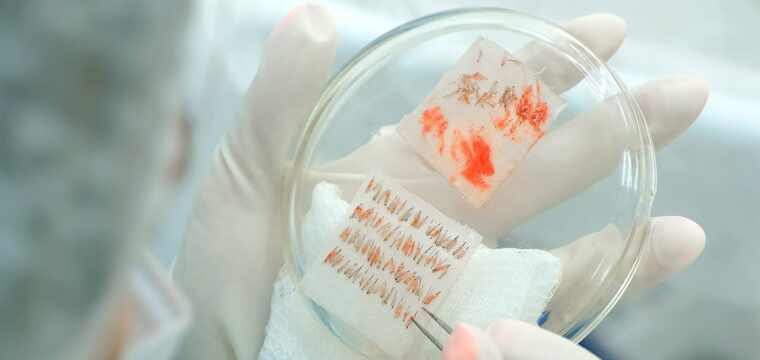
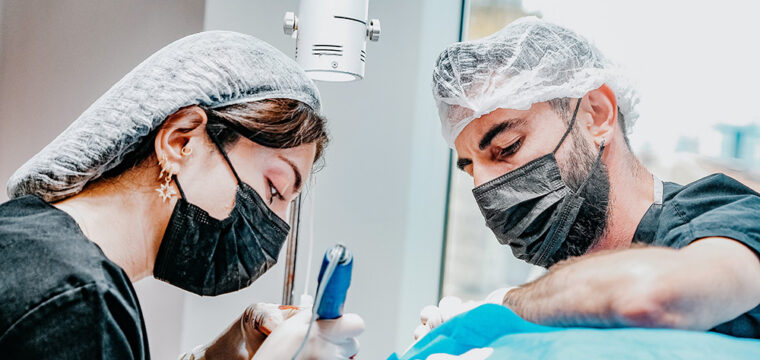
Once your hormone levels stabilise and breastfeeding is complete, you may consider more advanced treatments for persistent thinning. Options such as Growth Factor Concentrate (GFC) Therapy, Mesotherapy, or FUE Hair Transplantation can help restore density and volume in cases where shedding has led to longer-term hair loss. These treatments are offered only when medically appropriate and always after a thorough evaluation.
Each treatment plan at Dr. Malay Mehta’s Hair Transplant Clinic is fully personalised, combining medical expertise with empathy to ensure every new mother receives gentle, effective and lasting results on her journey back to healthy, confident hair.
How to contact us
Phone: +91 7045291747
Another Phone: +91 8758691345
Email Us: drmalaymehta@gmail.com
6th Floor, Cosmos Court,
Vile Parle West Mumbai – 400056
Maharashtra, India
FAQs
How long does postpartum hair loss last?
Most women experience shedding for about six months, with visible improvement by twelve months. In rare cases, mild thinning may persist longer if hormone levels remain unbalanced or nutritional intake is low.
Will postpartum hair loss grow back?
Yes. The hair follicles remain active, and growth usually resumes naturally once hormones stabilise. Maintaining good nutrition and gentle care helps accelerate regrowth.
How do I reduce postpartum hair loss?
Eat a nutrient-dense diet, minimise heat styling, use mild shampoos and keep your scalp clean and hydrated. Regular scalp massage and adequate rest can also support recovery.
How often should I wash my hair during postpartum hair loss?
Washing two to three times a week is ideal. Frequent washing may cause unnecessary friction and breakage, while infrequent washing can lead to buildup that clogs follicles. Use a mild shampoo and conditioner to keep the scalp balanced.

About The Author
Dr Malay Mehta
Dr Malay Mehta is passionate about offering men the confidence the've always wanted by performing hair transplants with outstanding hair density and natural looking results. He is known as the best hair transplant surgeon in Mumbai delivering amazing results at the most affordable prices in the area.
Most Popular Posts

15 January 2023

5 January 2024

15 February 2023
What is the Cost and Success of PRP Hair Treatment in India?

21 December 2023

15 December 2021








 Online Marketing For Doctors

Comments