
An itchy scalp can be frustrating on its own, but when it is paired with unexpected hair thinning or noticeable hair fall, it becomes a more serious concern.
Many people overlook the connection between scalp health and hair retention, assuming the two operate independently. However, the scalp is the foundation for hair growth, and when it becomes irritated, inflamed or infected, hair follicles often pay the price.
In this article, we’ll explore the link between itchy scalp and hair loss, common causes and symptoms to look out for and evidence-based treatments at Dr. Malay Mehta’s clinic that can help.
Understanding the Connection Between an Itchy Scalp and Hair Loss
An itchy scalp and hair loss are often symptoms of an underlying issue rather than isolated problems. While occasional scalp irritation can be harmless, persistent itchiness accompanied by noticeable shedding is a clear sign that something deeper may be affecting your scalp health.
Hair grows in a four-phase cycle: anagen (growth), catagen (transition), telogen (rest) and exogen (shedding). Inflammation or scalp irritation can prematurely shift hairs out of the growth phase and into the shedding phase, resulting in noticeable thinning and delayed regrowth.
The longer the scalp remains inflamed, the more likely it is for the follicles to remain dormant or weakened. Maintaining a healthy scalp through gentle hair care, stress management and addressing any root causes early is vital to preserving strong and consistent hair growth.
Common Symptoms of Itchy Scalp and Hair Loss
- Persistent or severe itching that worsens with heat, sweating, or product use
- Visible flaking or dandruff, especially along the hairline or crown
- Redness, inflammation, or scaly patches that may indicate conditions like seborrheic dermatitis or psoriasis
- Tenderness or sensitivity when touching the scalp
- Increased hair shedding on your pillow, in the shower, or while brushing
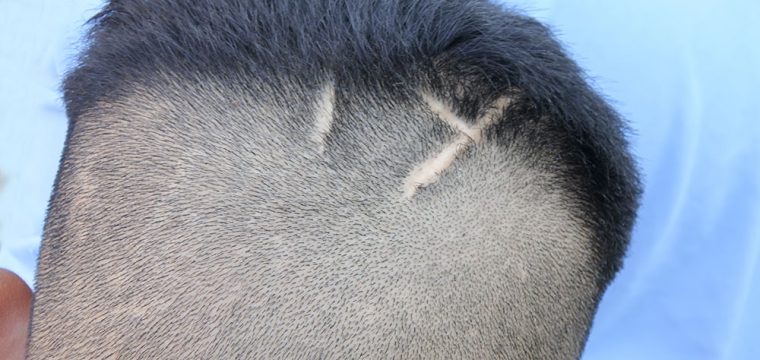
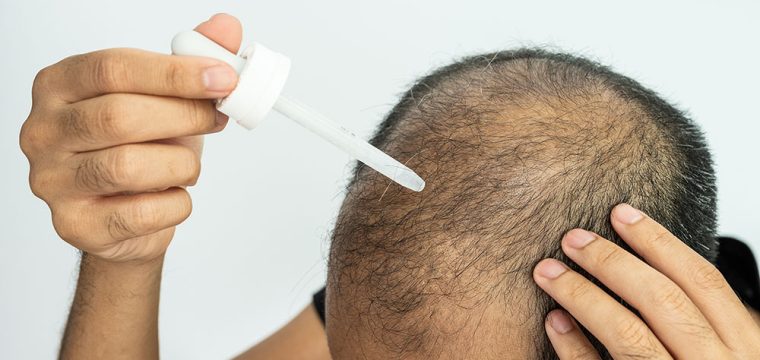
- Bald spots or thinning patches, often associated with scratching or underlying scalp conditions
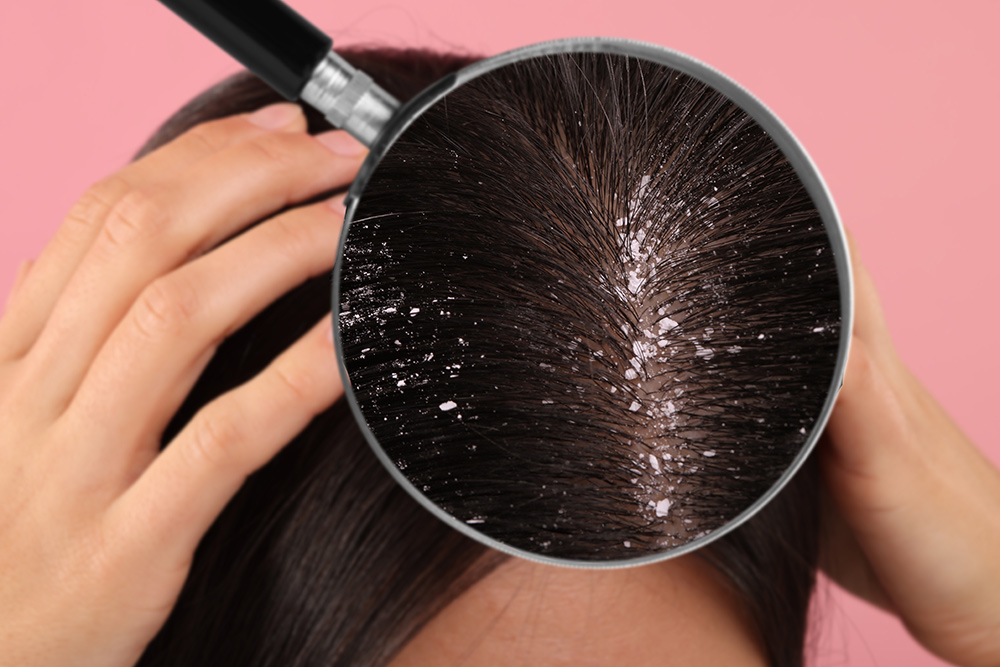
Some causes of an itchy scalp include dandruff and seborrheic dermatitis, psoriasis of the scalp and fungal or bacterial infections.
What Causes an Itchy Scalp
There are multiple reasons why your scalp may become itchy. Some are benign and easily treatable, while others require medical attention.
1. Dandruff and Seborrheic Dermatitis
These are the most common causes of scalp itching. Seborrheic dermatitis is a skin condition that leads to red, greasy and flaky patches on the scalp, which can become itchy and inflamed. The flaking can sometimes clog follicles, weakening hair strands and leading to shedding.
2. Psoriasis of the Scalp
Scalp psoriasis is a chronic autoimmune condition that speeds up skin cell turnover, causing thick scales and irritation. Severe cases can lead to temporary or permanent hair loss due to excessive inflammation and aggressive scratching.
3. Fungal or Bacterial Infections
Infections like tinea capitis (scalp ringworm) or folliculitis can cause intense itchiness, inflammation and even pus-filled lesions. These infections weaken the scalp’s environment and often result in patchy hair loss.
4. Allergic Reactions
Hair products like shampoos, conditioners, dyes or styling gels may contain chemicals or fragrances that trigger allergic reactions. This can cause contact dermatitis, leading to a red, itchy scalp, often followed by hair loss due to follicular stress.
5. Dry Scalp and Environmental Factors
Cold weather, low humidity or overuse of hairdryers can dry out the scalp, leading to flaking, tightness and itchiness. While mild dryness doesn’t directly cause hair loss, continuous scratching can irritate the follicles and cause shedding.
6. Stress and Anxiety
Mental health and stress levels can play a role. Conditions such as trichotillomania (hair-pulling disorder) and telogen effluvium (shedding due to stress) are linked with scalp discomfort and sudden hair loss.
How to Get Rid of an Itchy Scalp
Start with Scalp-Friendly Hair Care
The first step in addressing an itchy scalp is to take a close look at your hair care products. Harsh shampoos that contain sulfates, parabens, or heavy fragrances can strip the scalp of its natural oils, triggering dryness, irritation and inflammation.
Switch to a gentle, pH-balanced shampoo that is specifically designed for sensitive or itchy scalps. Look for ingredients like aloe vera, chamomile, or tea tree oil, which have natural soothing properties.
Minimise the use of heat styling tools like blow dryers, straighteners, or curling irons. These can dry out your scalp and exacerbate existing irritation. If dryness is a major concern, applying lightweight oils like coconut, argan, or jojoba oil can help moisturise the scalp and restore barrier function. Always apply oils in moderation and focus on the scalp, not just the hair shaft.
Try Medicated Products
For more persistent or medically-related causes of itching, such as dandruff, seborrheic dermatitis, or scalp fungus, medicated shampoos can offer effective relief. Look for formulations that contain ketoconazole, zinc pyrithione, selenium sulfide, or salicylic acid.
These ingredients target fungal overgrowth, reduce scaling and soothe inflammation. Use these shampoos as directed and allow them to sit on your scalp for a few minutes before rinsing.
If you’re unsure which product is right for you, consult a hair or skin specialist. Using the wrong treatment may make symptoms worse or delay recovery.
Manage Lifestyle Triggers
Your scalp health is closely tied to your overall well-being. Chronic stress can disrupt your immune system, making you more susceptible to inflammatory scalp conditions. Practice stress management through mindfulness, physical activity, yoga, or counselling.
Nutrition is also essential. Ensure your diet includes enough zinc, vitamin D, vitamin E, biotin and omega-3 fatty acids, all of which play roles in maintaining scalp and hair follicle health.
Regularly wash your hair to remove sweat, oil and product buildup, especially after workouts or humid weather. However, avoid overwashing, which can strip away protective oils and worsen dryness.
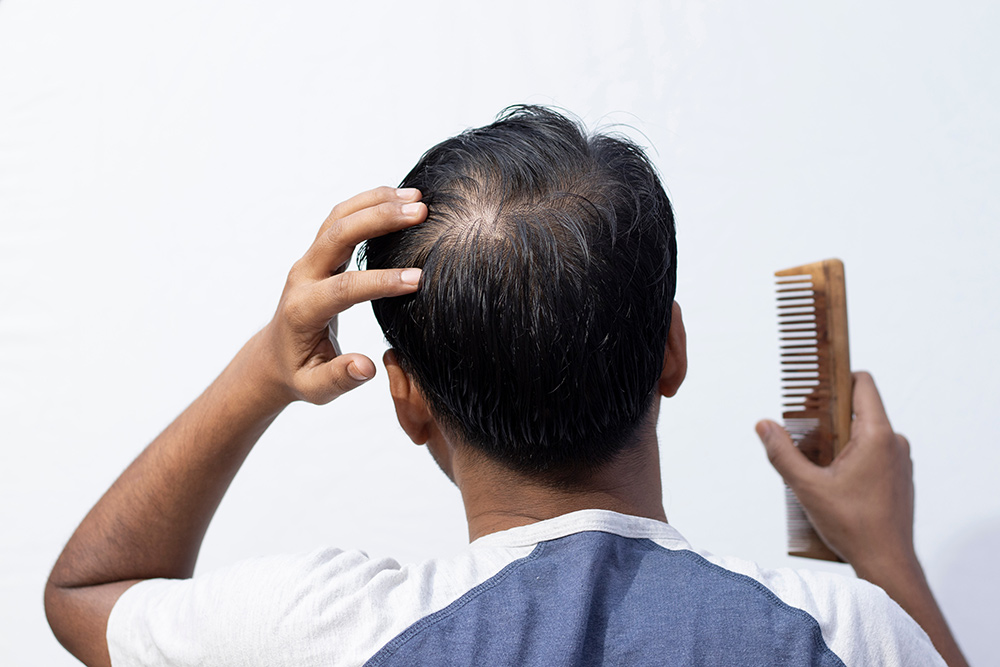
If you’re experiencing hair loss, you can consider hair transplant procedures or hair loss treatments.
Experiencing Hair Loss? Here’s How Dr. Malay Mehta Can Help
If you’re already noticing signs of hair thinning, bald spots, or a receding hairline, whether triggered by scalp irritation, genetics, or lifestyle, Dr. Malay Mehta’s Hair Transplant Clinic in Mumbai provides advanced, tailored solutions to restore both hair and confidence.
FUE Hair Transplant
This cutting-edge technique involves extracting individual hair follicles from the back of your scalp and transplanting them to areas affected by hair loss. It offers natural-looking results with minimal scarring and downtime.
Biofibre Hair Implants
For patients who may not be suitable for donor hair harvesting or are looking for a non-surgical solution, synthetic fibres are implanted directly into the scalp. The result is instant hair density with no recovery period.
ARTAS Robotic Hair Transplant
This high-tech robotic system uses AI-assisted precision to extract and implant hair follicles with exceptional accuracy and minimal trauma. It’s ideal for those looking for fast, consistent results.
Mesotherapy
This minimally invasive treatment involves injecting a customised blend of vitamins, nutrients and growth factors directly into the scalp. It can stimulate dormant follicles, reduce inflammation and improve overall scalp health.
Other Hair Loss Treatments
Examples of other hair loss treatments include Growth Factor Concentrate Therapy,
Low-Level Laser Therapy (LLLT) and scalp micropigmentation (SMP). Each of these solutions can be used individually or in combination for a comprehensive, results-driven approach to hair restoration.
How to contact us
Phone: +91 7045291747
Another Phone: +91 8758691345
Email Us: drmalaymehta@gmail.com
6th Floor, Cosmos Court,
Vile Parle West Mumbai – 400056
Maharashtra, India
FAQs
Why is my scalp itchy and my hair falling out?
This could be due to conditions like dandruff, seborrheic dermatitis, psoriasis, or fungal infections. Chronic scratching and inflammation may damage hair follicles, leading to shedding or thinning.
Can an itchy scalp be serious?
Yes, especially if it is persistent, painful, or accompanied by other symptoms like sores or bald patches. It could indicate underlying dermatological or autoimmune conditions that require professional diagnosis and treatment.
How can I treat an itchy scalp at home?
You can start with sulphate-free shampoos, scalp hydration with natural oils and antifungal shampoos if dandruff or mild infection is present. However, persistent symptoms may need medical treatment.
Does scratching my scalp make my hair fall out?
Excessive scratching can physically damage the scalp and disrupt hair follicles, increasing the risk of breakage or shedding over time.
Is stress causing my itchy scalp and hair loss?
Yes. Stress is a known trigger for conditions like telogen effluvium and can worsen inflammatory conditions such as dandruff or seborrheic dermatitis, leading to hair fall.

About The Author
Dr Malay Mehta
Dr Malay Mehta is passionate about offering men the confidence the've always wanted by performing hair transplants with outstanding hair density and natural looking results. He is known as the best hair transplant surgeon in Mumbai delivering amazing results at the most affordable prices in the area.
Most Popular Posts

15 January 2023

5 January 2024

15 February 2023
What is the Cost and Success of PRP Hair Treatment in India?
21 December 2023






 Online Marketing For Doctors

Comments