
A hair transplant can be a life-changing procedure, but the success of your results doesn’t end when you leave the clinic. At Dr. Malay Mehta’s clinic in Mumbai, proper hair transplant aftercare is a key part of the recovery journey—especially in the first few days and weeks. Ignoring key precautions after a hair transplant can lead to infection, poor graft survival, or unwanted scarring.
In this guide, we’ll walk you through the do’s and don’ts after a hair transplant, common issues like swelling after hair transplant, and how to care for both the implanted and donor area after hair transplant. Whether you’re in your first few days post-op or wondering what’s safe after 1 month, this blog has you covered.
Why Is Post-Transplant Care So Important?
Hair grafts are extremely delicate in the initial healing phase. Any disruption—rubbing, scratching, sweating, or improper sleeping—can dislodge or damage the follicles before they anchor properly. Just like any surgical procedure, healing takes time and care.
Failing to follow the correct hair transplant aftercare instructions can lead to:
- Reduced graft survival
- Infection or inflammation
- Prolonged swelling and scabbing
- Suboptimal aesthetic outcomes
By understanding things to avoid after a hair transplant, you’re giving yourself the best chance at natural, long-lasting results.
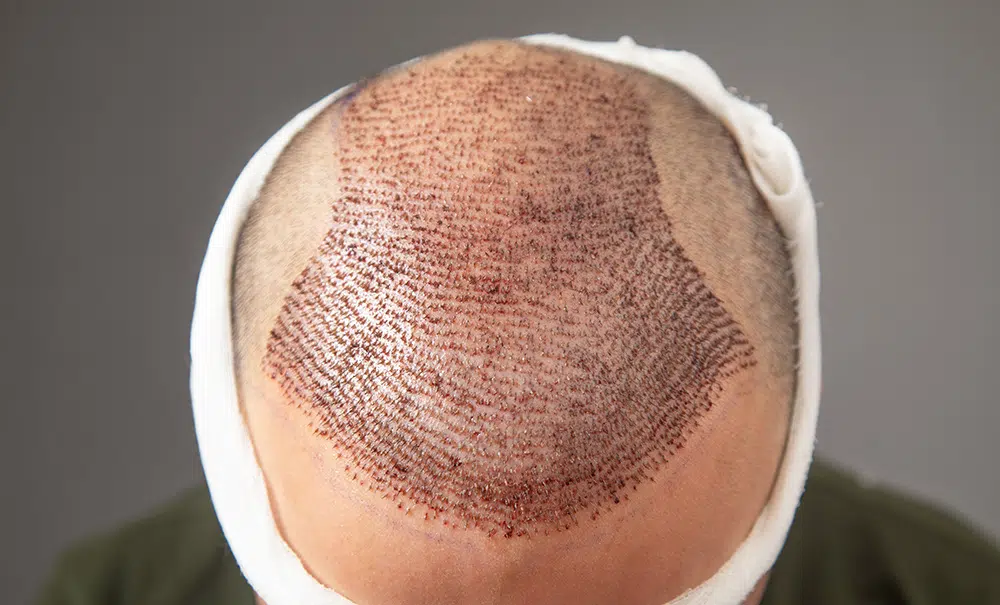
Here are some key precautions to take note of after a hair transplant.
What Not to Do After a Hair Transplant: Key Precautions
Here’s a breakdown of the main precautions after hair transplant that every patient should follow:
1. Do Not Touch or Rub Your Scalp
It’s tempting to scratch or feel the implanted area, especially when it itches or scabs form. But resist the urge—rubbing or scratching can dislodge newly placed grafts and introduce bacteria.
Even when washing your hair after the first few days, use gentle, patting motions only. Full contact should be avoided for at least 10–14 days.
2. Avoid Wearing a Cap (at First)
Many patients ask about wearing a cap after hair transplant to conceal the visible donor or recipient area. However, wearing anything snug against the scalp can damage grafts or cause friction.
It’s best to avoid any hats, helmets, or head coverings for 7–10 days unless Dr. Malay Mehta advises otherwise. After that, a loose-fitting cap may be permitted—always ask first.
3. Do Not Sleep Flat on Your Back
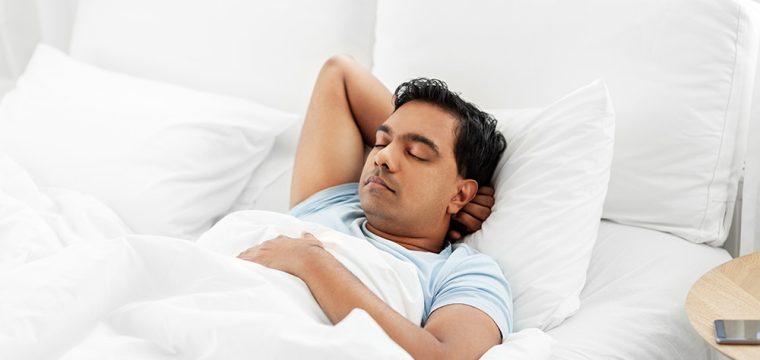
Swelling after a hair transplant is common in the forehead and around the eyes. To reduce this, sleep with your head elevated at a 45-degree angle for at least 3–5 nights.
Avoid lying directly on the transplanted area. Use a travel pillow or prop up a few pillows to avoid pressure on your scalp while sleeping.
4. Avoid Strenuous Exercise or Sweating
Engaging in physical activity too soon after a hair transplant can compromise your results. Exercise raises your heart rate and blood pressure, which can increase swelling and cause sweating—two things that are not ideal during the healing phase.
Sweat can irritate both the donor and recipient areas, increasing the risk of infection or dislodging early grafts. It’s best to avoid gym workouts, jogging, swimming, cycling, and heavy lifting for at least 7–10 days. In some cases, Dr. Mehta may recommend a longer rest period, especially if you’ve undergone a large graft session or have a naturally sensitive scalp.
5. Stay Away From Direct Sun Exposure
Your scalp is especially vulnerable to UV damage in the days and weeks after a hair transplant. Direct sun exposure can cause inflammation, slow healing, alter pigmentation, and even damage new grafts.
To protect your scalp, stay indoors as much as possible for the first 2–3 weeks. If going outside is necessary, wait at least 10 days before wearing a loose-fitting, breathable cap, or use an umbrella for shade. Avoid beach days, hiking, or sunbathing during this recovery window.
6. Don’t Wash Your Hair Too Soon
Hair washing is an important part of aftercare—but timing is everything. Washing too early can disturb newly placed grafts and increase the risk of dislodgement or infection.
Most patients are advised to wait at least 48–72 hours after the procedure for their first gentle rinse. When washing, do not use hot water or apply direct pressure to the scalp.
Use only the doctor-recommended shampoo, apply it lightly using a cup or open palm, and pat dry—never rub. You’ll typically resume a more regular washing routine after 10–14 days, based on your progress.
7. Avoid Alcohol, Smoking & Blood-Thinning Medications
These substances reduce blood circulation and impair the healing process. For best results, avoid alcohol and smoking for at least 7–10 days post-surgery.
Always inform Dr. Malay Mehta of any medications you’re taking—especially aspirin or anti-inflammatories.
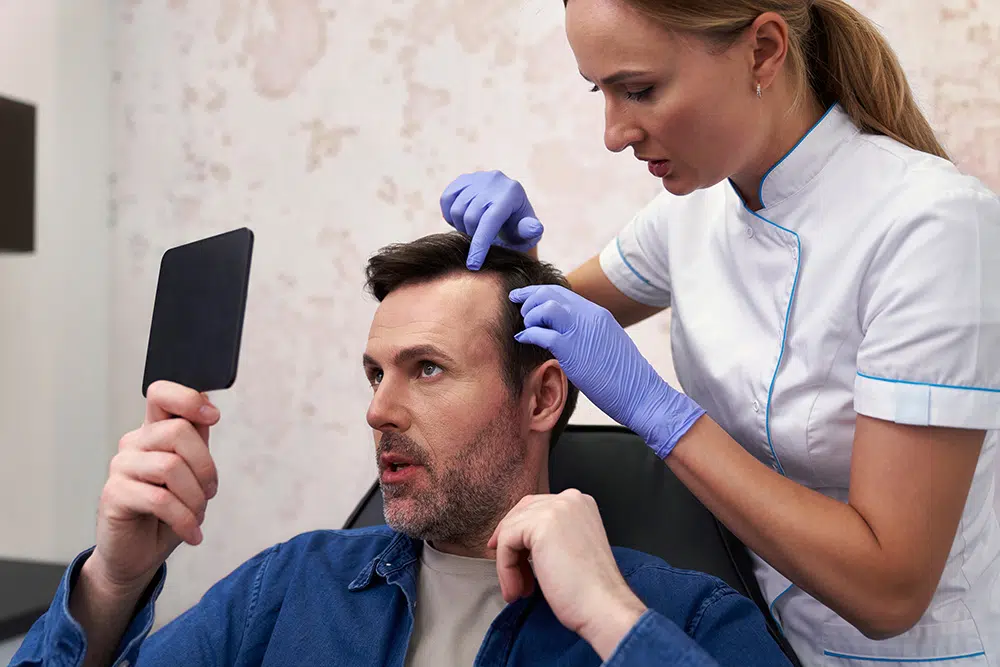
Here are some things to take note of after you’ve had a hair transplant for a month.
What About After One Month?
Hair transplant after 1 month is a transitional phase. At this point:
- The grafts are fully anchored.
- You may begin light exercise again.
- Most patients no longer have visible scabs or redness.
- Some early “shock loss” (temporary hair shedding) may occur—this is normal.
You can typically return to your usual routine at this stage, but always follow your post-op care plan for the best long-term outcome.
Ongoing Donor Area Care
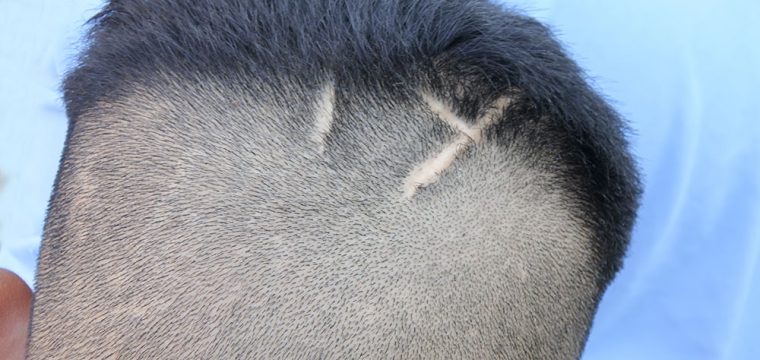
The donor area after hair transplant (usually the back or sides of the scalp) heals relatively quickly, but it’s still important to:
- Keep the area clean and dry.
- Avoid aggressive brushing or combing.
- Monitor for any redness or discomfort.
If you notice unusual irritation or delayed healing, contact Dr. Mehta’s clinic for a follow-up.
How to contact us
Phone: +91 7045291747
Another Phone: +91 8758691345
Email Us: drmalaymehta@gmail.com
6th Floor, Cosmos Court,
Vile Parle West Mumbai – 400056
Maharashtra, India
FAQs
How to sleep after a hair transplant?
Sleep on your back with your head elevated at a 45-degree angle to reduce swelling and avoid pressure on the grafts. Use a U-shaped travel pillow for added comfort and stability.
Can I wear a cap after a hair transplant?
Not immediately. Wait at least 7–10 days before wearing a loose-fitting cap, and only do so after getting approval from your doctor.
When can I rub my head after a hair transplant?
You should avoid rubbing, scratching, or massaging your scalp for at least 2 weeks post-surgery. Even after that, only use gentle motions as directed during your hair wash routine.
How many days after a hair transplant can I sleep normally?
Most patients can return to their normal sleeping position after about 5–7 days, once swelling has reduced and grafts are securely in place. Until then, head elevation is important.
Can I apply hair oil or styling products after a hair transplant?
You should avoid applying oils, gels, sprays, or any styling products to your scalp for at least 2–3 weeks. These substances can irritate healing skin and clog pores, potentially affecting graft survival.
When can I get a haircut after a hair transplant?
Haircuts should be delayed until the grafts are fully settled—typically 3 to 4 weeks post-procedure. Dr. Mehta will guide you on when it’s safe, depending on your healing progress and transplant method.

About The Author
Dr Malay Mehta
Dr Malay Mehta is passionate about offering men the confidence the've always wanted by performing hair transplants with outstanding hair density and natural looking results. He is known as the best hair transplant surgeon in Mumbai delivering amazing results at the most affordable prices in the area.
Most Popular Posts

15 January 2023
5 January 2024

15 February 2023
What is the Cost and Success of PRP Hair Treatment in India?
21 December 2023




 Online Marketing For Doctors

Comments