
When you’re considering a hair transplant, one question sits above all others: will it actually work? It’s a fair question, as you’re investing in a procedure that can change not only how you look, but also how you feel about yourself, so understanding what drives a successful outcome is important before you commit.
The good news is that modern hair transplantation is one of the most reliable cosmetic procedures available today. However, success isn’t determined solely by the procedure. It depends on a combination of factors, including the technique used, your surgeon’s skill and experience, the quality of your donor hair and how well your body responds to the transplant. Here’s what you need to know.
How Effective Is a Hair Transplant?
Hair transplants have a strong track record. When performed by an experienced surgeon using proven techniques, graft survival rates typically range from 90 to 95 per cent. That means the vast majority of transplanted follicles successfully take root, grow and continue producing hair for years to come.
This high success rate comes down to a unique biological advantage. Hair taken from the back and sides of the scalp is naturally resistant to the hormone responsible for pattern baldness. When these follicles are transplanted to thinning areas, they retain their genetic characteristics, enabling them to produce healthy, permanent hair growth.
So, does a hair transplant work? For most well-selected candidates, yes. However, the outcome you achieve depends on several important factors.
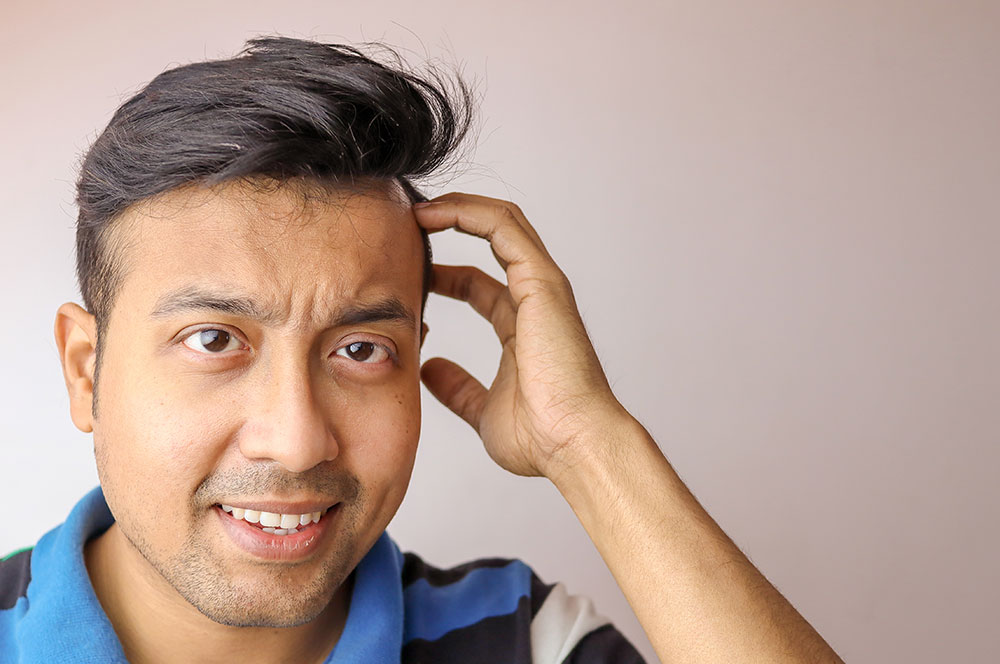
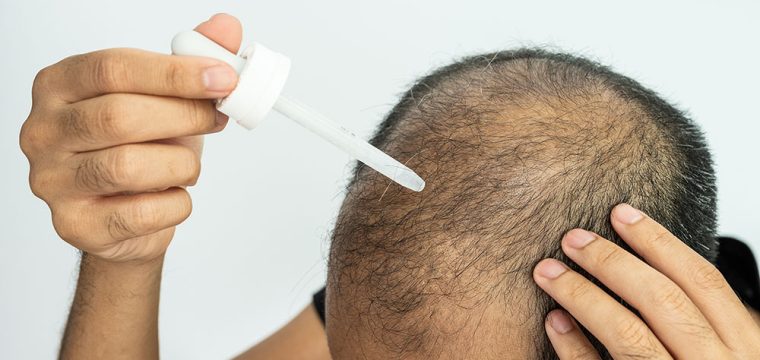
Key factors that influence the success of your hair transplant may include the surgeon’s skill, the technique used and donor hair quality.
The Key Factors That Affect Your Results
Surgeon Skill and Experience
The expertise of your surgeon is arguably the single biggest influence on your outcome. A hair transplant is a meticulous procedure involving the extraction and placement of thousands of individual follicles, each of which must be handled carefully and positioned at the correct angle and direction to achieve a natural-looking result.
Beyond the technical aspects of the procedure, an experienced surgeon, such as Dr Malay Metha, can design a hairline that complements your facial features, distribute grafts to maximise density and coverage and preserve follicle viability throughout the transplant.
The Technique Used
The technique used can also influence your results. At Dr Malay Mehta’s clinic, hair restoration is primarily performed using Follicular Unit Extraction (FUE) techniques, including Sapphire FUE and BIO-FUE. These minimally invasive approaches involve extracting individual hair follicles from the donor area and transplanting them with precision into thinning or balding regions, helping achieve natural-looking results with minimal scarring and a faster recovery.
The most appropriate technique depends on factors such as your hair loss pattern, donor hair quality and treatment goals. Rather than taking a one-size-fits-all approach, Dr Mehta tailors each procedure to the individual, recommending the method that offers the best balance of coverage, density and long-term results.
Donor Hair Quality
The quality of your donor hair plays a fundamental role in the success of a hair transplant. Factors such as hair density, thickness, texture and the overall health of the donor area determine how many viable grafts are available and the level of coverage that can realistically be achieved. Patients with thick, dense donor hair are generally able to achieve greater density and more comprehensive coverage.
Your Overall Health
Your overall health can significantly influence both the healing process and the success of your hair transplant. Factors such as uncontrolled diabetes, smoking, certain medications and some autoimmune conditions may affect wound healing or reduce graft survival. Before proceeding with treatment, Dr. Mehta will assess your medical history to determine whether any underlying health conditions need to be managed to optimise your results.
Post-Operative Care
A successful outcome depends not only on the procedure itself but also on the recovery period. Following Dr Mehta’s post-operative instructions, protecting the transplanted grafts during the initial healing phase, avoiding activities that may disrupt the follicles and attending scheduled follow-up appointments all contribute to optimal graft survival and long-term results.

Every hair transplant is tailored to the individual’s pattern of hair loss, goals and donor availability.
Is a Hair Transplant Worth It?
For many people, the answer is yes. Beyond hair density, a successful transplant can improve confidence, self-esteem and how comfortable you feel in both social and professional settings. It is important, however, to have realistic expectations.
A hair transplant works by redistributing healthy hair from one area of the scalp to another rather than creating new hair. As a result, the outcome is influenced by factors such as the quality of your donor hair, the extent of your hair loss and your individual goals.
During your consultation, Dr Mehta will discuss what can be achieved, helping you make an informed decision and setting the foundation for long-term satisfaction.
Setting the Right Expectations
Patience is an important part of the hair transplant journey. It’s completely normal for transplanted hairs to shed within the first few weeks after the procedure as the follicles enter a temporary resting phase.
New hair growth typically begins around three to four months later, with continued improvements in density and coverage over the following months. Most patients can expect to see their final results approximately 12 months after treatment.
Begin Your Hair Restoration Journey at Dr Malay Mehta’s Clinic
Every successful hair transplant begins with a thorough assessment. At Dr Malay Mehta’s clinic in Mumbai, the consultation focuses on identifying the underlying cause of your hair loss before recommending the most appropriate treatment.
With graft survival rates of over 98%, we pride ourselves on delivering natural-looking, long-lasting hair restoration outcomes. If you’re considering a hair transplant, booking a consultation with Dr Malay Mehta is the first step towards understanding your treatment options, assessing your suitability and developing a personalised plan tailored to your goals.
How to contact us
Phone: +91 7045291747
Another Phone: +91 8758691345
Email Us: drmalaymehta@gmail.com
6th Floor, Cosmos Court,
Vile Parle West Mumbai – 400056
Maharashtra, India
FAQs
How is hair transplant success measured?
Hair transplant success is measured using several factors. Clinically, the most common metric is the graft survival rate, the percentage of transplanted follicles that successfully establish themselves and produce new hair growth. Success is also assessed by the natural appearance of the hairline, the density and coverage achieved and how well the results meet the patient’s treatment goals.
Does age impact the success of a hair transplant?
Age can influence the success of a hair transplant, but it is not the deciding factor. Age itself does not reduce the likelihood that transplanted grafts will survive or grow successfully. Instead, the success of a hair transplant is more closely linked to factors such as the stability of your hair loss, the quality and availability of donor hair, your overall health and the suitability of the treatment plan.
How is hair transplant success different for men and women?
The principles of hair transplantation are the same for both men and women, but candidacy often differs. Men with androgenetic alopecia typically have a well-defined donor area at the back and sides of the scalp, making them suitable candidates for transplantation. Women are more likely to experience diffuse thinning, which can also affect the donor area and limit the number of viable grafts available. For this reason, a comprehensive assessment is essential to determine whether a hair transplant is the most appropriate treatment.
Are results permanent after a hair transplant?
In most cases, yes. Transplanted follicles are taken from areas of the scalp that are genetically resistant to the hormone responsible for pattern baldness. Once transplanted, these follicles generally retain their characteristics and continue producing hair long term. However, a hair transplant does not prevent future hair loss in untreated areas. Depending on your individual circumstances, Dr Mehta may recommend ongoing hair loss treatment to help preserve your existing hair and maintain your results over time.

About The Author
Dr Malay Mehta
Dr Malay Mehta is passionate about offering men the confidence the've always wanted by performing hair transplants with outstanding hair density and natural looking results. He is known as the best hair transplant surgeon in Mumbai delivering amazing results at the most affordable prices in the area.
Most Popular Posts

15 January 2023

5 January 2024

15 February 2023
What is the Cost and Success of PRP Hair Treatment in India?

21 December 2023






 Online Marketing For Doctors

Comments